


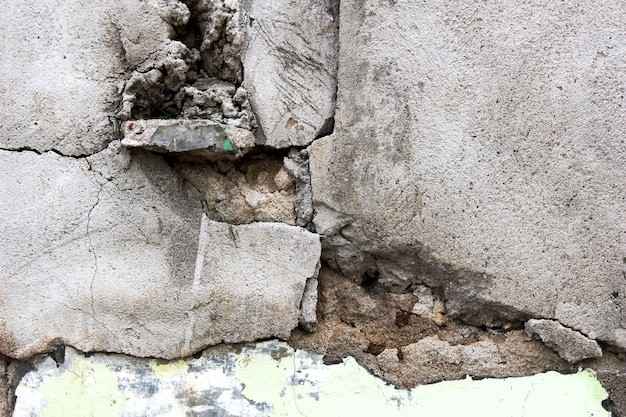
Foundation cracks rarely appear without cause. They signal movement, pressure, or structural imbalance beneath a property. In Michigan, environmental conditions intensify these issues, making early detection and repair essential.
Cracks allow moisture to enter, weaken structural integrity, and create pathways for mold growth. Even small openings expand over time if left untreated. Structural stability depends on addressing these flaws before they escalate into more complex problems.
Foundation Crack Repair Michigan focuses on sealing damage, stabilizing structures, and preventing recurrence. Effective repair ensures that cracks do not compromise the long-term durability of a building.
Environmental Stress on Michigan Foundations
Michigan’s climate creates a challenging environment for foundations. Seasonal changes cause continuous shifts in soil conditions, placing pressure on concrete structures.
Several environmental factors contribute to crack formation:
- Freeze-thaw cycles that expand and contract materials
- Saturated soil increases the hydrostatic pressure
- Clay-rich soil that swells when wet
- Rapid temperature changes affect concrete integrity
These conditions create repeated stress cycles, which eventually result in visible cracks and structural movement.
Types of Foundation Cracks and Their Meaning
Not all cracks indicate the same level of concern. Each type reveals different structural conditions and requires a specific repair approach.
Hairline Cracks
Hairline cracks appear thin and often result from natural curing of concrete. While they may seem minor, they still allow moisture entry and should be sealed.
Vertical Cracks
Vertical cracks typically form due to settling. These cracks often remain stable but require monitoring and sealing to prevent water intrusion.
Horizontal Cracks
Horizontal cracks indicate significant pressure from surrounding soil. These cracks often signal structural stress and require immediate reinforcement.
Diagonal Cracks
Diagonal cracks suggest uneven settling or shifting foundations. They may widen over time and require structural correction.
Causes Behind Foundation Cracks
Foundation cracks develop due to multiple factors working together. Identifying these causes helps determine the most effective repair method.
Soil Expansion and Contraction
Clay-heavy soil absorbs water and expands. When it dries, it contracts. This movement exerts pressure on foundation walls, leading to cracks.
Poor Drainage Systems
Improper water management allows water to accumulate around the foundation. This increases pressure and accelerates structural damage.
Temperature Fluctuations
Extreme temperature changes affect concrete stability. Expansion and contraction weaken structural integrity over time.
Construction Issues
Improper curing, low-quality materials, or inadequate reinforcement contribute to crack formation.
Common Repair Methods for Foundation Cracks
Foundation Crack Repair Michigan involves several proven techniques. Each method addresses specific types of damage and ensures lasting results.
Epoxy Injection
Epoxy injection seals cracks and restores structural strength. This method works well for non-moving cracks that require reinforcement.
Polyurethane Injection
Polyurethane expands within cracks to block water intrusion. It remains flexible, making it suitable for areas with slight movement.
Carbon Fiber Reinforcement
Carbon fiber strips strengthen foundation walls and prevent further cracking. This method works effectively for structural stabilization.
Wall Anchors
Wall anchors counteract external pressure and stabilize walls. They help restore alignment and prevent further movement.
Cost Factors for Foundation Crack Repair in Michigan
Repair costs vary depending on several key elements. Understanding these factors helps property owners plan effectively.
Size and Length of Cracks
Larger and longer cracks require more materials and labor. Extensive damage increases overall costs.
Severity of Structural Issues
Cracks caused by structural movement require more advanced repairs than surface-level damage.
Accessibility
Difficult access around the foundation increases labor time and equipment needs.
Repair Method Used
Different techniques carry different costs. Structural reinforcement methods typically cost more than basic sealing.
Typical Cost Ranges
Foundation crack repair costs in Michigan vary based on the type and severity of damage.
Estimated ranges include:
- Hairline crack sealing: $300 – $800
- Epoxy or polyurethane injection: $500 – $1,500 per crack
- Carbon fiber reinforcement: $3,000 – $8,000
- Wall anchor systems: $4,000 – $12,000
These figures provide general expectations. Actual costs depend on property-specific conditions.
Structural Consequences of Ignoring Cracks
Ignoring foundation cracks leads to progressive damage. Structural integrity weakens, and repair costs increase over time.
Potential consequences include:
- Expansion of existing cracks
- Water intrusion and basement flooding
- Mold growth affects indoor air quality
- Structural instability in walls and floors
Prompt repair prevents these issues and preserves the building’s strength.
Role of Moisture Control in Crack Prevention
Moisture management plays a critical role in preventing foundation cracks. Controlling water flow around the foundation reduces pressure and structural stress.
Key moisture control measures include:
- Proper grading to direct water away
- Functional gutters and downspouts
- Installation of drainage systems
- Regular inspection of water flow patterns
Effective moisture control supports long-term foundation stability.
Seasonal Influence on Crack Formation
Michigan’s seasonal changes directly impact foundation conditions. Weather patterns influence both crack formation and repair timing.
Spring thaw increases soil moisture, raising pressure on foundation walls. Summer heat may cause soil contraction, leading to shifting. Winter freeze cycles expand existing cracks.
Scheduling repairs during stable weather conditions improves effectiveness and efficiency.
Preventive Strategies for Long-Term Protection
Preventive measures reduce the likelihood of future cracks. Regular maintenance and proactive steps help maintain structural integrity.
Recommended strategies include:
- Inspecting foundations regularly
- Addressing minor cracks promptly
- Maintaining proper drainage systems
- Avoiding excessive landscaping near foundation walls
These practices minimize stress on the foundation and extend its lifespan.
Impact of Basement Use on Repair Decisions
The intended use of a basement influences repair priorities. Finished basements require higher levels of protection to prevent damage to interior spaces.
Unfinished basements may tolerate minor cracks but still require structural stability. Repair strategies should align with how the space functions.
Materials Used in Crack Repair
Modern repair methods rely on advanced materials designed for durability and flexibility.
Common materials include:
- Epoxy resins for structural bonding
- Polyurethane foam for waterproof sealing
- Carbon fiber for reinforcement
- Steel components for stabilization
Material selection affects both performance and longevity of repairs.
Long-Term Value of Crack Repair
Foundation crack repair provides lasting benefits that extend beyond immediate fixes. It protects structural integrity and enhances property value.
Key advantages include:
- Prevention of further structural damage
- Improved indoor air quality
- Increased property resale value
- Enhanced safety for occupants
Investing in proper repairs reduces long-term costs and ensures stability.
Common Mistakes That Increase Repair Costs
Certain mistakes lead to ineffective repairs and higher expenses. Avoiding these errors improves outcomes.
Frequent issues include:
- Ignoring early warning signs
- Using incorrect repair methods
- Delaying necessary repairs
- Failing to manage drainage properly
Addressing problems promptly ensures cost-effective solutions.
Innovations in Crack Repair Techniques
Advancements in technology continue to improve foundation repair methods. Modern techniques focus on durability and precision.
Emerging innovations include:
- High-performance injection materials
- Advanced monitoring systems for structural movement
- Improved reinforcement techniques
- Environmentally resistant repair solutions
These developments enhance repair effectiveness and extend structural lifespan.
FAQs
1. What is the average cost of foundation crack repair in Michigan?
Foundation crack repair typically costs between $300 and $1,500 per crack. More extensive repairs involving reinforcement systems can range from $3,000 to $12,000. Costs depend on crack size, severity, and chosen repair method.
2. Are all foundation cracks serious?
Not all cracks indicate major structural issues. Hairline cracks often result from natural settling. However, horizontal or widening cracks signal significant structural stress and require immediate attention.
3. How long do crack repairs last?
Properly executed repairs can last for decades. The durability depends on the method used and environmental conditions. Regular maintenance helps extend the lifespan of repairs.
4. Can cracks lead to water damage?
Cracks allow water to enter the foundation, leading to moisture buildup and potential flooding. Addressing cracks promptly prevents water intrusion and related issues such as mold growth.
5. What causes cracks to worsen over time?
Soil movement, moisture fluctuations, and temperature changes cause cracks to expand. Without repair, these factors continue to stress the foundation and increase damage severity.
6. How long does a repair project take?
Most crack repairs take a few hours to a day. Larger projects involving reinforcement systems may take several days, depending on complexity and site conditions.
7. Do cracks affect property value?
Visible foundation cracks can reduce property value by signaling potential structural issues. Repairing cracks improves buyer confidence and maintains market value.
8. Can preventive maintenance reduce crack formation?
Preventive measures such as proper drainage and regular inspections reduce the likelihood of cracks. Addressing minor issues early helps maintain foundation stability.
9. What is the best repair method for cracks?
The best method depends on the type and severity of the crack. Epoxy works well for structural repairs, while polyurethane suits waterproofing needs. Structural reinforcement may be required for severe damage.
10. Is professional repair necessary for all cracks?
Minor cracks may not require extensive intervention, but professional evaluation ensures accurate diagnosis. Structural cracks always require specialized repair methods to maintain safety and stability.