

See What’s Hidden Behind Your Walls
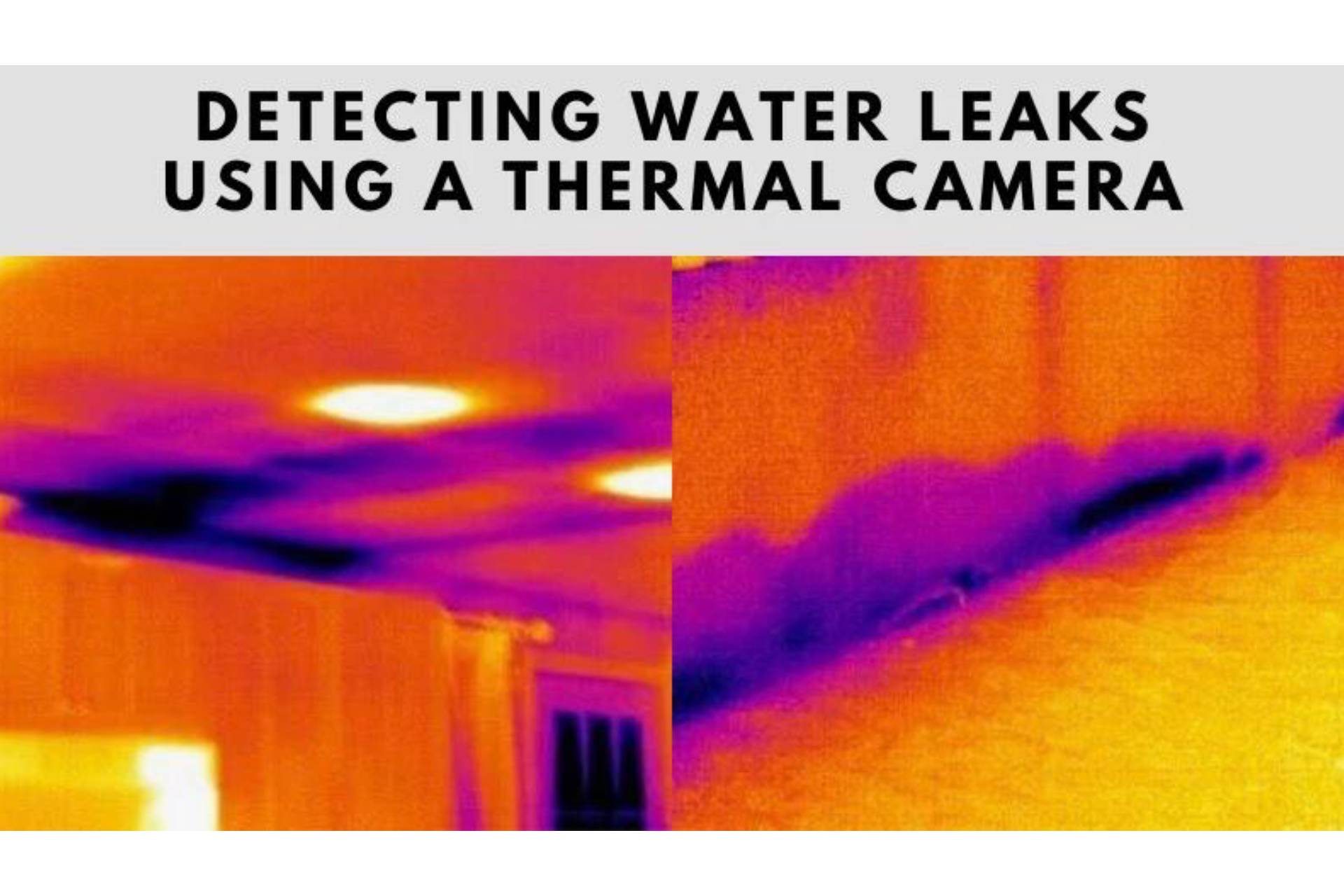
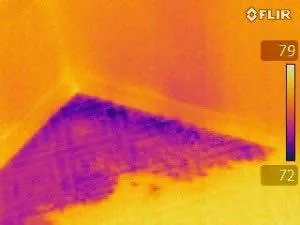
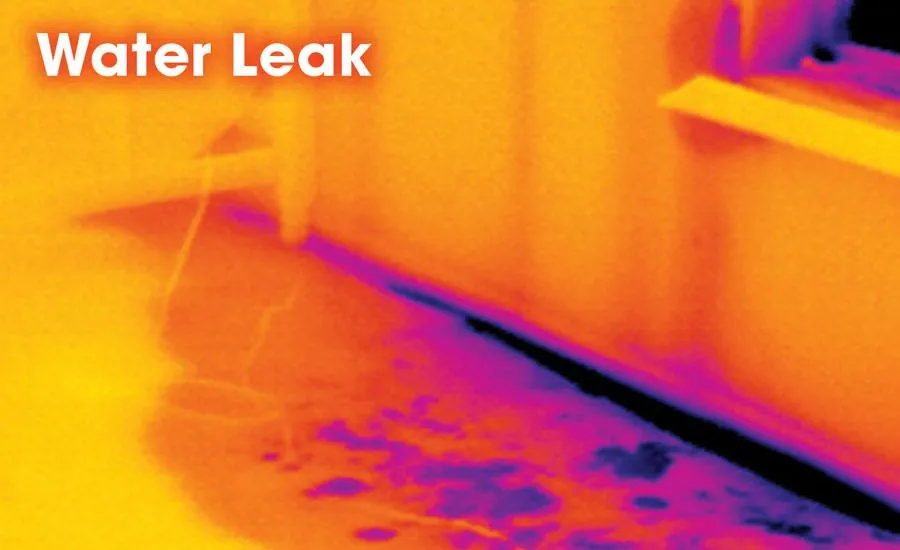
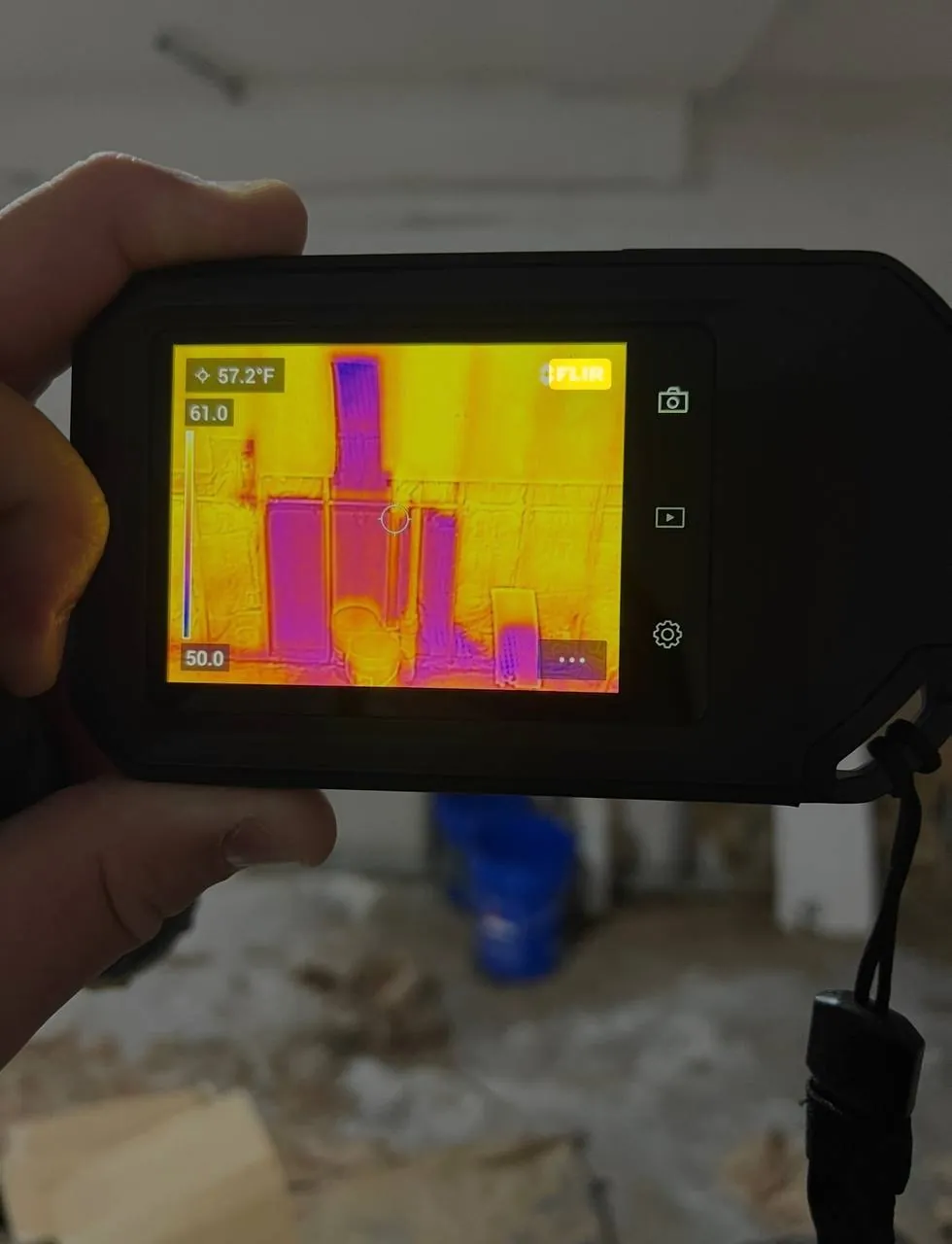
Thermal imaging uses infrared technology to detect temperature differences that reveal hidden problems in your home. Water leaks, moisture intrusion, missing insulation, and even electrical issues create distinct heat signatures that our thermal cameras can detect. This non-invasive technology allows us to pinpoint problems without cutting into walls or floors, saving you time and money on repairs.
Our Inspection Technology
Advanced thermal imaging for accurate diagnostics
Our Thermal Imaging Services Include
Water Leak Detection
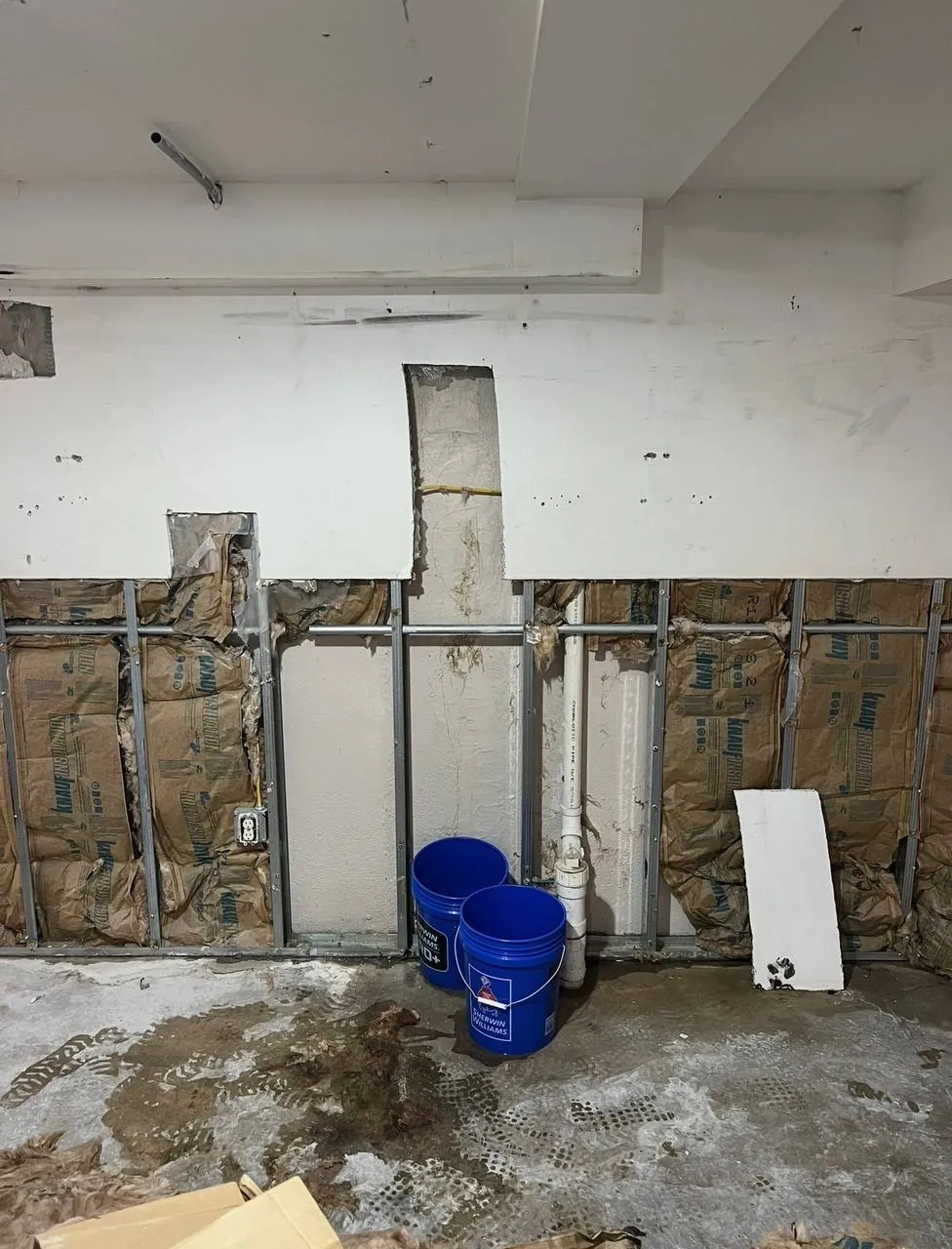
Locate hidden water leaks in walls, ceilings, and floors without destructive exploratory demolition. Moisture creates temperature differences visible on thermal cameras.
Moisture Intrusion
Identify areas where water is entering your home through the foundation, walls, or roof before visible damage occurs.
Insulation Gaps
Detect missing or inadequate insulation in walls, attics, and crawl spaces that can increase energy costs and cause condensation issues.
Plumbing Leaks
Find leaking pipes behind walls or under floors. Hot water line leaks are especially visible due to their temperature contrast.
Air Leak Detection
Identify drafts and air infiltration around windows, doors, outlets, and other areas where conditioned air is escaping.
Pre-Purchase Inspections
Comprehensive thermal scans before buying a home to reveal hidden moisture problems, insulation deficiencies, and potential issues.
Our Thermal Imaging Process
Initial Consultation
We discuss your concerns, symptoms you’ve noticed (stains, odors, drafts), and areas of the home you want inspected.
Thermal Scanning
Using professional infrared cameras, we systematically scan walls, floors, ceilings, and other areas to identify temperature anomalies.
Anomaly Investigation
When we detect temperature differences, we investigate further using moisture meters and other tools to confirm the cause.
Documentation
We capture thermal images of problem areas along with standard photos, documenting the location and extent of any issues.
Report & Recommendations
You receive a detailed report with images, findings, and recommendations for addressing any problems we discover.
Why Choose Mansour’s for Thermal Imaging?
See the Invisible
Thermal imaging reveals problems hidden behind walls that traditional inspections miss entirely.
Non-Destructive
No cutting into walls or floors to find problems. Infrared technology is completely non-invasive.
Precise Location
Pinpoint exactly where problems exist so repairs can be targeted and efficient.
Save Money
Catch problems early before they cause extensive damage and expensive repairs.