


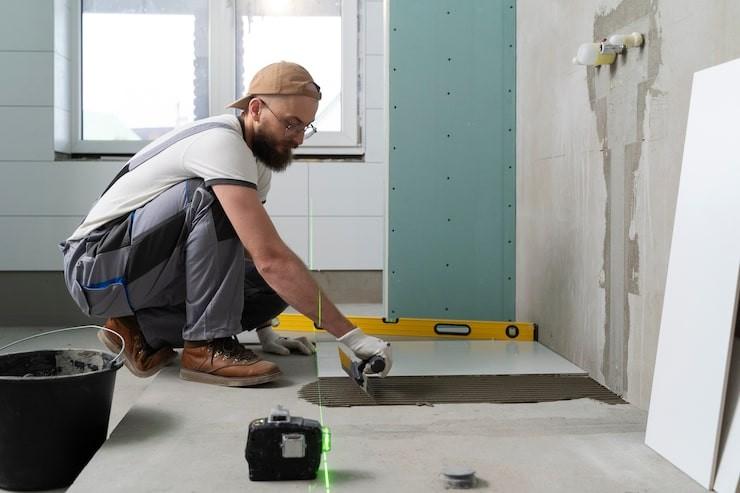
Foundation waterproofing protects structural integrity in regions where moisture exposure remains constant. Michigan presents unique environmental conditions that place significant pressure on residential foundations. Heavy snowfall, seasonal thaw cycles, and rainfall create continuous interaction between soil and structural surfaces.
Moisture infiltration does more than create inconvenience. It weakens concrete, encourages mold growth, and reduces the durability of load-bearing elements. Effective waterproofing ensures that water does not compromise the structural core of a home.
Property owners often prioritize visible areas such as roofing or siding, yet foundation protection carries equal importance. A properly sealed and drained foundation prevents progressive deterioration that could otherwise lead to extensive repair costs.
Why Michigan Conditions Demand Specialized Solutions?
Michigan’s climate combines cold winters with wet transitional seasons. Snow accumulation melts into the surrounding soil, raising groundwater levels. This process increases hydrostatic pressure against foundation walls.
Soil composition also plays a major role. Many areas contain clay-heavy soil, which expands when saturated and contracts when dry. This constant movement places stress on foundation walls and increases the likelihood of cracks.
Key environmental challenges include:
- Freeze-thaw cycles that weaken concrete surfaces
- High groundwater levels during spring
- Clay soil expansion creates lateral pressure
- Surface water accumulation near foundations
Each factor requires tailored waterproofing techniques rather than one-size-fits-all solutions.
Types of Foundation Waterproofing Systems
Foundation waterproofing involves a combination of methods designed to prevent water entry and manage moisture buildup. Each system serves a distinct purpose depending on the property’s condition.
Exterior Waterproofing Systems
Exterior waterproofing focuses on stopping water before it reaches the foundation. Contractors excavate soil around the perimeter, exposing foundation walls for treatment.
Core components include:
- Waterproof membranes applied directly to walls
- Drainage boards that direct water downward
- Perimeter drains channel water away from the structure
This approach offers long-term protection by addressing the root cause of moisture intrusion.
Interior Waterproofing Systems
Interior solutions manage water that enters the basement. These systems do not block water from entering but control its movement to prevent damage.
Typical elements include:
- Interior drain tile systems
- Sump pumps for water removal
- Sealants applied to walls and floors
Interior systems cost less than exterior methods but require consistent maintenance.
Combined Systems
Many properties benefit from combining both approaches. Exterior barriers prevent most water entry, while interior systems provide backup protection. This layered strategy ensures durability in areas with persistent moisture exposure.
Cost Factors for Foundation Waterproofing in Michigan
Foundation waterproofing costs vary widely depending on several critical variables. Accurate pricing depends on a detailed evaluation of the structure and the surrounding environment.
Size and Structural Design
Larger foundations require more materials and labor. Complex layouts with multiple corners or extensions increase installation difficulty, which raises costs.
Severity of Water Intrusion
Minor seepage differs significantly from active flooding. Light moisture issues may only require sealing, while severe conditions demand excavation and drainage installation.
Accessibility Around the Property
Limited access increases labor time. Obstacles such as landscaping, driveways, or nearby structures complicate excavation work and require additional effort.
Material Selection
High-quality waterproof membranes and drainage systems increase upfront costs but offer longer-lasting results. Lower-grade materials may reduce initial expenses but require earlier replacement.
Labor Complexity
Specialized tasks such as structural repairs, crack injection, and drainage installation require skilled labor. Labor often represents a significant portion of total costs.
Average Pricing Expectations
Foundation waterproofing in Michigan typically falls within a wide price range based on project scope.
Estimated costs include:
- Basic crack sealing: $500 – $1,500
- Interior drainage systems: $3,000 – $8,000
- Exterior waterproofing: $8,000 – $15,000
- Full structural repair with waterproofing: $10,000 – $30,000
These figures provide general guidance. Actual costs depend on site-specific conditions and the chosen method.
Structural Risks Caused by Water Intrusion
Water intrusion creates gradual but serious damage to foundations. Ignoring early signs leads to structural instability and costly repairs.
Common risks include:
- Formation of cracks in concrete walls
- Bowing or leaning foundation walls
- Settlement due to soil erosion
- Mold growth affects indoor air quality
Each issue reduces the lifespan of the structure and increases maintenance requirements.
Indicators That Waterproofing Is Required
Recognizing warning signs early prevents significant damage. Several indicators suggest that a foundation requires waterproofing intervention.
Visible and sensory signs include:
- Damp or musty odors in the basement
- Water stains or discoloration on walls
- Efflorescence, which appears as white powder residue
- Cracks in walls or flooring
- Peeling paint or deteriorating finishes
Prompt action reduces repair costs and preserves structural stability.
Methods Used in Foundation Waterproofing
Different techniques address specific types of water intrusion. Selecting the correct method ensures long-term effectiveness.
Crack Injection
Technicians inject epoxy or polyurethane into foundation cracks. This method seals entry points and prevents water seepage.
Exterior Membrane Application
Waterproof membranes create a protective barrier on foundation walls. These materials resist moisture penetration and remain flexible under pressure.
Drain Tile Installation
Drain tile systems collect water and direct it away from the foundation. These systems reduce hydrostatic pressure and prevent water buildup.
Sump Pump Systems
Sump pumps remove accumulated water from interior drainage systems. Backup units ensure operation during power outages.
Long-Term Benefits of Waterproofing
Foundation waterproofing offers several advantages that extend beyond moisture control. It enhances both structural durability and property value.
Key benefits include:
- Increased lifespan of foundation materials
- Improved indoor air quality
- Reduced risk of mold and mildew
- Enhanced resale value
- Additional usable living space
These advantages justify the initial investment by preventing larger expenses in the future.
Seasonal Considerations for Waterproofing Projects
Michigan’s climate influences the timing and execution of waterproofing projects. Seasonal conditions affect both cost and efficiency.
Spring often presents high groundwater levels, which can complicate installation. Summer provides more stable conditions for excavation and exterior work. Winter limits outdoor work due to frozen ground, requiring specialized equipment if projects proceed.
Scheduling during favorable conditions improves efficiency and may reduce overall costs.
Preventive Measures That Reduce Waterproofing Needs
Preventive maintenance plays a vital role in minimizing water intrusion risks. Simple measures help protect foundations and reduce the need for extensive waterproofing.
Effective practices include:
- Maintaining proper grading around the home
- Ensuring gutters and downspouts direct water away
- Repairing minor cracks promptly
- Installing window well covers
- Monitoring basement humidity levels
These steps reduce moisture exposure and support long-term structural health.
Comparing Interior and Exterior Waterproofing Approaches
Each waterproofing method offers distinct advantages depending on the situation. Evaluating these differences helps determine the most suitable solution.
Interior systems provide:
- Lower upfront costs
- Faster installation
- Minimal disruption to landscaping
Exterior systems offer:
- Direct prevention of water entry
- Long-lasting protection
- Reduced pressure on foundation walls
Selecting between these methods depends on budget, severity of moisture issues, and long-term goals.
Maintenance Requirements After Waterproofing
Waterproofing systems require regular maintenance to remain effective. Neglecting maintenance reduces system performance and increases the risk of failure.
Routine maintenance tasks include:
- Inspecting sump pump functionality
- Cleaning drainage channels
- Checking for new cracks or leaks
- Monitoring humidity levels
Annual maintenance costs remain relatively low compared to repair expenses caused by neglect.
The Impact of Basement Usage on Waterproofing Decisions
The intended use of a basement influences waterproofing requirements. Finished basements require higher levels of moisture protection to safeguard flooring, walls, and furnishings.
Unfinished basements may tolerate minimal moisture but still require protection against structural damage. Waterproofing systems should align with the purpose of the space and future renovation plans.
Permits and Compliance Requirements
Many waterproofing projects require permits, particularly those involving structural changes or excavation. Local regulations vary across Michigan municipalities.
Permit costs typically range from $100 to $500. Inspections ensure that installations meet safety and building standards. Compliance protects property owners and ensures long-term reliability.
Common Mistakes That Increase Waterproofing Costs
Certain errors lead to higher expenses and ineffective results. Avoiding these mistakes helps maintain cost efficiency.
Frequent issues include:
- Ignoring early warning signs
- Choosing incorrect waterproofing methods
- Using low-quality materials
- Failing to maintain drainage systems
Addressing problems promptly and selecting appropriate solutions reduces long-term costs.
Future Trends in Foundation Waterproofing Michigan
Advancements in materials and technology continue to improve waterproofing solutions. Modern systems focus on durability, flexibility, and environmental resistance.
Emerging developments include:
- Advanced polymer-based membranes
- Smart sump pump systems with monitoring features
- Eco-friendly drainage solutions
- Improved crack injection materials
These innovations enhance performance and extend the lifespan of waterproofing systems.
FAQs
1. What is the average cost of foundation waterproofing in Michigan?
Foundation waterproofing typically costs between $2,500 and $15,000. Basic repairs cost less, while extensive exterior systems or structural repairs increase expenses. Factors such as basement size, soil conditions, and severity of water intrusion determine the final price.
2. How long does foundation waterproofing last?
Properly installed waterproofing systems can last several decades. Exterior systems often provide longer durability compared to interior methods. Regular maintenance, including inspections and sump pump checks, ensures consistent performance and extends the lifespan of the system.
3. Is exterior waterproofing better than interior methods?
Exterior waterproofing prevents water from entering the foundation, making it more effective for long-term protection. Interior systems manage water after entry. The best approach depends on the severity of the issue and budget considerations.
4. Can waterproofing stop mold growth completely?
Waterproofing significantly reduces moisture levels, which limits mold growth. However, proper ventilation and humidity control also play important roles. Combining waterproofing with moisture management strategies provides the best protection against mold.
5. Do all Michigan homes require foundation waterproofing?
Not all homes require full waterproofing systems, but most benefit from moisture control measures. Michigan’s climate increases the risk of water intrusion, making preventive solutions a practical investment for many properties.
6. How can homeowners reduce waterproofing costs?
Homeowners can reduce costs by addressing minor issues early, maintaining drainage systems, and ensuring proper grading around the property. Preventive maintenance helps avoid major repairs and keeps expenses manageable over time.
7. Are permits necessary for waterproofing projects?
Many projects require permits, especially those involving excavation or structural changes. Permit requirements vary by location, but they ensure compliance with building codes and safety standards.
8. What causes foundation cracks in Michigan homes?
Foundation cracks often result from soil movement, hydrostatic pressure, and freeze-thaw cycles. These factors create stress on foundation walls, leading to cracks that allow water to enter.
9. How long does a waterproofing project take?
Project timelines vary depending on the method and scope. Interior systems may take a few days, while exterior waterproofing can take one to two weeks due to excavation and installation processes.
10. Does waterproofing increase property value?
Waterproofing enhances property value by protecting structural integrity and improving the usability of the basement space. Buyers often consider waterproofed foundations a significant advantage, especially in regions with frequent moisture challenges.