


Every big storm in Metro Detroit, our phone starts ringing before the rain stops. If you are standing at the top of the basement stairs looking at water right now, here is the order to do things in. It is the same list we give customers over the phone.
First: do not walk into the water yet
- Electricity. If water is anywhere near outlets, the furnace, the water heater or extension cords, do not step in. Shut the power to the basement at the main panel if you can reach it without standing in water. If the panel is in the flooded basement, call DTE or Consumers to cut power at the meter, or call an electrician. People get hurt this way every year.
- Sewage. If the water came up through the floor drain or a toilet, or it smells like sewage, treat it as contaminated. Gloves, boots, keep kids and pets out, and read our article on sewer backups.
- Gas. If the water heater or furnace burner was under water, shut the gas valve to that appliance and have it checked before relighting.
Figure out where the water came from
This decides everything else: what you do next, whether insurance pays, and what the permanent fix is. In Southeast Michigan it is almost always one of five things:
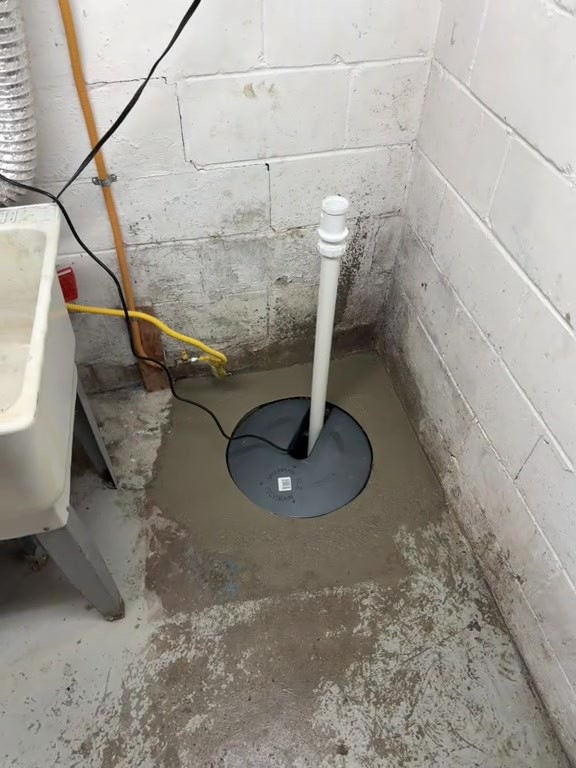
- Sump pump failure or power loss. Water rises in the pit and spills over. The pump is the first thing to check. Lift the float by hand. If it does not run, it is dead, unplugged, tripped a breaker, or the power is out.
- City sewer backup. Water (dirty) came up through the floor drain, a shower drain or a basement toilet. Common in older combined-sewer neighborhoods in Detroit, Dearborn, the Grosse Pointes and southeast Oakland County after a cloudburst.
- Groundwater seepage. Clean water along the base of the walls and through floor cracks, no single source. The water table came up faster than the drainage could handle.
- Window wells and walkouts. A window well with no drain fills like a bathtub and dumps through the window. Water pours down a walkout stairwell with a plugged drain.
- A plumbing failure. Burst supply line, failed water heater, washing machine hose. Clean water, and usually the only one standard homeowners insurance covers without a rider.
Stop the water if you can
- Sump pump dead and power is on: a replacement pump is a couple hundred dollars at any hardware store and swaps in 30 minutes if you are handy. If you are not, we do sump pump replacements across Macomb and Oakland.
- Power is out: a generator or a battery backup pump. If you have neither, a utility pump on a long extension cord from a neighbor with power has saved more than one basement.
- Sewer backup: nothing you do in the basement stops it. Stop running water in the house (every flush goes to the same pipe), and wait for the city main to drop. Do not open the cleanout.
- Window well: get the water out of the well with a bucket or utility pump and cover it.
Photograph everything before you clean
Insurance adjusters, the city (for sewer claims) and your own memory all need this. Take wide shots and close-ups of the water line on the walls, the pump, the floor drain, every damaged item, the serial number on the water heater and furnace, and the receipts for anything you throw out. Note the date, the time and what the weather was doing.
Call your insurance company the same day
Standard Michigan policies cover sudden plumbing failures. Sump pump failure and sewer backup are only covered if you bought the water backup / sump overflow endorsement. Groundwater seepage is almost never covered. Call anyway, ask what your policy includes, and ask about the deadline to file. For a city sewer backup, Michigan law also requires written notice to the city within 45 days to preserve any claim against the municipality. More on that in our insurance and waterproofing article.
Get it dry in 48 hours
Mold starts within two days. Pump or wet-vac the standing water, pull wet carpet and pad out of the house, cut drywall 12 inches above the water line, pull baseboards so the wall cavity can breathe, and run fans and a dehumidifier around the clock. Anything made of particle board (most cheap cabinets and shelving) will not recover; throw it out. For a flood deeper than a couple of inches, a finished basement, or any sewage, call a restoration crew. Our flood restoration team does extraction, tear-out and drying, and because we are also the waterproofing contractor, we fix the cause while we are there instead of leaving you to find somebody else.
Make it the last time
Once the basement is dry, the question is what lets water in and what stops it next time. The four fixes that handle most of the floods we pump out:
- A properly sized sump pump with a battery backup. Storms knock out power. A primary pump with no backup is a flood waiting for the next outage. Read do you need a battery backup sump pump in Michigan.
- A backwater valve on the main sewer line. It closes when the city main surges, so sewage cannot come up your drains. One of the better-value installs we do.
- Interior drain tile for groundwater seepage and water through the floor, tied to the sump.
- Window well drains and covers, and exterior grading and downspouts that send roof water away from the house.
This video shows a backwater valve and a new sump system going in together, which is the combination we recommend for homes in flood-prone neighborhoods:
Frequently asked questions
Should I call a plumber or a waterproofing company for a flooded basement?
If water came from a pipe or a drain, a plumber. If it came through the walls, floor or sump pit, a waterproofing contractor. We do both, so you only make one call: (586) 345-7292.
How fast does mold grow after a basement flood?
Within 24 to 48 hours on wet drywall, carpet pad and wood. That is why tear-out and drying cannot wait for the adjuster.
Does homeowners insurance cover a flooded basement in Michigan?
Sudden plumbing failures, usually yes. Sump failure and sewer backup only with a rider. Groundwater seepage and overland flooding, no (flooding needs a separate flood policy).
Can I run the furnace after the basement floods?
Not until it has been inspected. A gas furnace or water heater whose burner compartment was under water is a safety problem, and insurers usually replace them.
How do I stop my basement from flooding again?
Find the source first. Then, in most Southeast Michigan homes, a sump pump with battery backup, a backwater valve and a drainage system cover it. Estimates are free.
Mansour’s Innovations is a family-owned waterproofing, excavation and plumbing contractor in Shelby Township, Michigan, serving Macomb, Oakland and Wayne counties since 2014. Owner Imad “Matt” Mansour has 20+ years in the trade and the crew has completed 1,600+ projects. Our waterproofing work carries a 25-year transferable limited warranty. Call or text (586) 345-7292 for a free estimate.