


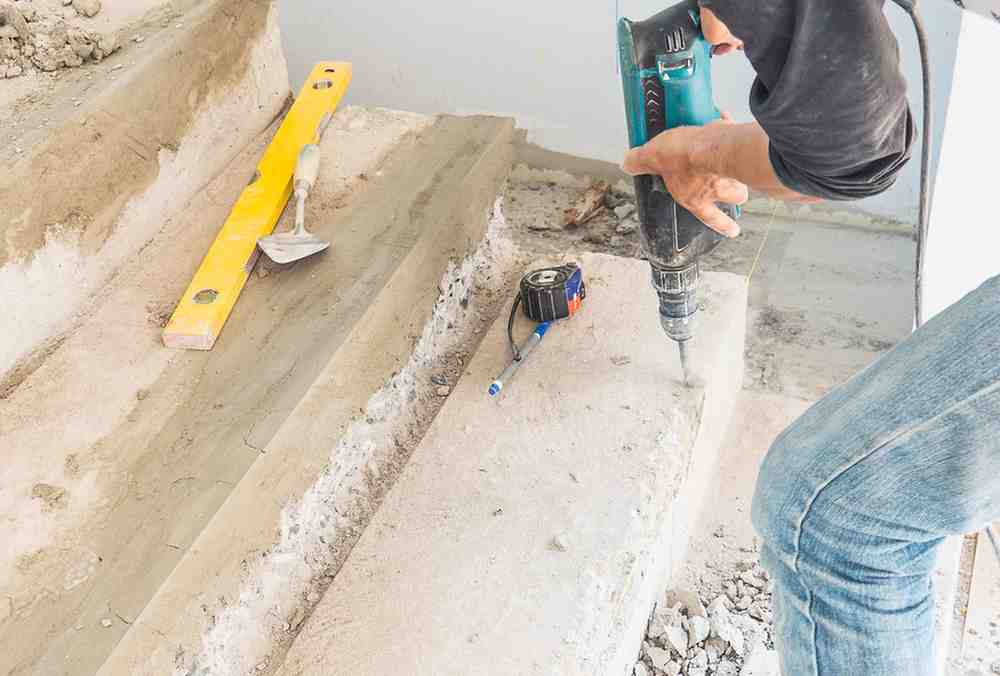
Foundation performance in Michigan depends heavily on environmental conditions, soil behavior, and construction quality. Structures across the region face continuous stress due to seasonal shifts, moisture fluctuations, and ground movement. These factors gradually weaken foundational elements and create structural concerns that require timely attention.
Foundation systems support the entire weight of a building. Any compromise in their integrity leads to uneven settling, cracks, and structural imbalance. Property owners often notice subtle signs before major damage occurs, but delayed action increases repair complexity and cost.
Foundation Repair Michigan involves identifying the root cause of damage rather than addressing surface-level symptoms. Proper diagnosis ensures effective and lasting solutions that restore stability and prevent recurring issues.
Environmental Forces That Impact Foundations
Michigan’s climate places consistent pressure on foundation systems. Cold winters followed by thaw cycles create expansion and contraction in soil. This movement transfers stress directly to foundation walls and footings.
Several environmental forces contribute to foundation damage:
- Freeze-thaw cycles cause soil expansion
- High moisture levels increase hydrostatic pressure
- Clay-rich soil retaining water and shifting under load
- Seasonal rainfall saturates the ground near structures
These conditions create a dynamic environment where foundations must withstand constant stress. Without proper reinforcement or maintenance, structural deterioration becomes inevitable.
Early Indicators of Foundation Problems
Detecting early warning signs allows property owners to address issues before they escalate. Structural problems often begin subtly but become more visible over time.
Common signs include:
- Cracks in interior or exterior walls
- Uneven or sloping floors
- Doors and windows that stick or misalign
- Gaps between walls and ceilings
- Water intrusion or damp basement areas
Each of these symptoms signals underlying structural movement. Ignoring them leads to further damage and higher repair costs.
Types of Foundation Damage
Foundation damage does not follow a single pattern. Different forms of deterioration require specific repair approaches.
Vertical Cracks
Vertical cracks often result from natural settling. These cracks may not indicate severe structural issues, but still require sealing to prevent water intrusion.
Horizontal Cracks
Horizontal cracks typically signal pressure from surrounding soil. This type of damage requires immediate attention, as it indicates structural stress on foundation walls.
Stair-Step Cracks
Stair-step cracks appear in masonry walls and suggest uneven settling. These cracks often develop due to shifting soil or poor drainage conditions.
Bowing Walls
Bowing walls occur when external pressure forces foundation walls inward. This issue requires reinforcement to prevent collapse.
Primary Causes of Foundation Failure
Several factors contribute to foundation deterioration in Michigan. Identifying these causes helps determine the appropriate repair strategy.
Soil Movement
Expanding and contracting soil creates pressure against foundation walls. Clay-heavy soil amplifies this effect, leading to cracks and structural shifting.
Water Accumulation
Poor drainage allows water to collect around the foundation. This increases hydrostatic pressure and weakens structural components.
Improper Construction
Inadequate materials or poor installation methods reduce the durability of foundation systems. These weaknesses often become visible over time.
Tree Roots
Large tree roots absorb moisture from the soil, causing uneven drying and shifting. This imbalance affects foundation stability.
Repair Methods Used in Michigan
Foundation Repair Michigan involves a range of techniques designed to restore stability and prevent further damage. Each method addresses specific structural issues.
Crack Injection
Technicians inject epoxy or polyurethane into cracks to seal them. This method prevents water entry and reinforces the affected area.
Piering Systems
Piering involves installing steel or concrete piers beneath the foundation. These supports stabilize the structure and prevent further settling.
Wall Anchors
Wall anchors counteract external pressure by stabilizing bowing walls. They restore structural alignment and prevent further movement.
Slab Jacking
Slab jacking lifts sunken concrete by injecting material beneath it. This method corrects uneven surfaces and improves stability.
Cost Factors for Foundation Repair Michigan
Foundation repair costs vary depending on several critical elements. Each factor influences labor requirements, materials, and overall project scope.
Severity of Damage
Minor cracks require simple repairs, while major structural issues demand extensive intervention. Severe damage significantly increases costs.
Size of the Foundation
Larger structures require more materials and labor. Complex layouts also increase repair difficulty.
Accessibility
Limited access around the foundation complicates repair work. Obstacles such as landscaping or nearby structures increase labor time.
Repair Method
Different techniques carry different costs. Piering systems and wall anchors typically cost more than crack injection.
Typical Cost Ranges
Foundation repair costs in Michigan vary widely based on project complexity.
Estimated ranges include:
- Crack sealing: $500 – $1,500
- Slab jacking: $3,000 – $7,000
- Wall anchors: $4,000 – $12,000
- Piering systems: $10,000 – $30,000
These figures provide general estimates. Actual costs depend on site conditions and repair requirements.
Structural Risks of Delayed Repairs
Ignoring foundation issues leads to escalating damage. Structural integrity weakens over time, affecting the entire building.
Potential risks include:
- Increased cracking and wall movement
- Water intrusion and mold growth
- Reduced load-bearing capacity
- Higher repair costs in the future
Timely repairs prevent these complications and maintain structural stability.
Role of Drainage in Foundation Health
Effective drainage plays a crucial role in preventing foundation damage. Water accumulation near the foundation increases pressure and accelerates deterioration.
Key drainage solutions include:
- Proper grading around the property
- Functional gutter and downspout systems
- Installation of drainage channels
- Regular maintenance of water flow systems
Managing water flow reduces stress on foundation walls and extends structural lifespan.
Seasonal Impact on Foundation Repair
Michigan’s seasonal changes influence repair timing and effectiveness. Weather conditions affect soil behavior and project execution.
Spring brings increased moisture levels, which may complicate repair work. Summer offers more stable conditions for structural adjustments. Winter conditions limit certain repair methods due to frozen ground.
Planning repairs during favorable seasons improves efficiency and results.
Preventive Measures for Long-Term Stability
Preventive maintenance reduces the likelihood of foundation damage. Regular inspections and simple adjustments help maintain structural integrity.
Recommended practices include:
- Monitoring for cracks and addressing them promptly
- Maintaining proper drainage systems
- Controlling moisture levels around the foundation
- Avoiding excessive landscaping near structural walls
These measures support long-term stability and reduce repair costs.
Influence of Basement Usage on Repairs
The purpose of a basement affects repair decisions. Finished basements require higher levels of protection to preserve interior spaces.
Unfinished basements may tolerate minor imperfections but still require structural reinforcement. Repair strategies should align with the intended use of the space.
Materials Used in Foundation Repair
Modern repair techniques rely on durable materials designed to withstand environmental stress.
Common materials include:
- Steel piers for structural support
- Carbon fiber strips for wall reinforcement
- Epoxy and polyurethane for crack sealing
- Concrete mixtures for slab lifting
Material selection affects both cost and longevity of repairs.
Long-Term Value of Foundation Repair
Foundation repair provides lasting benefits that extend beyond immediate structural correction. It enhances property value and ensures safety.
Key advantages include:
- Improved structural integrity
- Prevention of future damage
- Increased property resale value
- Enhanced safety for occupants
Investing in proper repairs protects both the building and its occupants.
Common Mistakes in Foundation Repair Decisions
Certain mistakes lead to ineffective repairs and higher costs. Avoiding these errors improves outcomes.
Frequent issues include:
- Ignoring early warning signs
- Choosing incorrect repair methods
- Delaying necessary repairs
- Failing to address drainage problems
Addressing the root cause of damage ensures long-term success.
Technological Advancements in Repair Methods
Modern foundation repair techniques continue to evolve. New technologies improve efficiency and durability.
Innovations include:
- Advanced monitoring systems for structural movement
- High-strength materials for reinforcement
- Improved injection methods for crack sealing
- Precision equipment for structural adjustments
These advancements enhance repair accuracy and longevity.
FAQs
1. What is the average cost of foundation repair in Michigan?
Foundation repair costs typically range from $2,500 to $30,000, depending on severity. Minor repairs cost less, while major structural work, such as pier installation, increases expenses. Accurate pricing depends on inspection findings and repair requirements.
2. What causes foundation damage in Michigan homes?
Foundation damage often results from soil movement, moisture fluctuations, and freeze-thaw cycles. Clay soil expansion and water accumulation create pressure on foundation walls, leading to cracks and structural instability over time.
3. How long do foundation repairs last?
Properly executed repairs can last for decades. The durability depends on the method used and ongoing maintenance. Regular inspections and proper drainage help extend the lifespan of repair solutions.
4. Can small cracks lead to major problems?
Small cracks may seem minor, but can expand over time. They allow water to enter and weaken structural components. Addressing cracks early prevents more extensive damage and higher repair costs.
5. Is foundation repair necessary for all cracks?
Not all cracks require major repairs, but each should be evaluated. Some cracks result from natural settling, while others indicate structural issues. Proper assessment determines the appropriate repair method.
6. How long does a typical repair project take?
Project timelines vary depending on the method and severity. Minor repairs may take a few days, while extensive structural work can take several weeks. Weather conditions and site accessibility also affect duration.
7. Does foundation repair increase property value?
Foundation repair improves property value by restoring structural integrity. Buyers often prioritize homes with stable foundations, especially in regions with challenging soil and climate conditions.
8. What is the most effective repair method?
The most effective method depends on the specific issue. Piering systems provide strong structural support, while wall anchors stabilize bowing walls. A proper evaluation determines the best solution.
9. Can foundation issues affect indoor air quality?
Foundation problems often lead to moisture intrusion, which promotes mold growth. Mold affects indoor air quality and creates health concerns. Repairing foundation issues helps maintain a healthier living environment.
10. How can homeowners prevent foundation damage?
Preventive measures include maintaining proper drainage, monitoring for cracks, and controlling moisture levels around the foundation. Regular inspections help identify issues early and reduce the need for extensive repairs.