Farmington’s basements start with Arthur Power’s mill
Arthur Power, a Quaker from New York, founded Farmington in 1824. People called it Quakertown for a couple of years. He and his sons built a sawmill and a gristmill on the Rouge, and the town grew up where the Grand River, Orchard Lake and Shiawassee trails came together. The oldest house still standing in the city is a frame house from 1824, inside the historic district along Grand River and Shiawassee.
It’s a small city, under three square miles, and almost completely surrounded by Farmington Hills. But it has a river valley running through it, and that valley decides a lot about whose basement gets wet.
Where the Upper Rouge goes
The Upper Branch of the Rouge forms just north of town in Farmington Hills, where the Minnow Pond and Seeley drains come together. It runs south through the north and east sides of Farmington, and the city’s own plan says the northern part of its floodplain is parkland, which is Shiawassee Park. Much of the river’s eastern bank is private yards. The river crosses the Grand River corridor near Power Road.
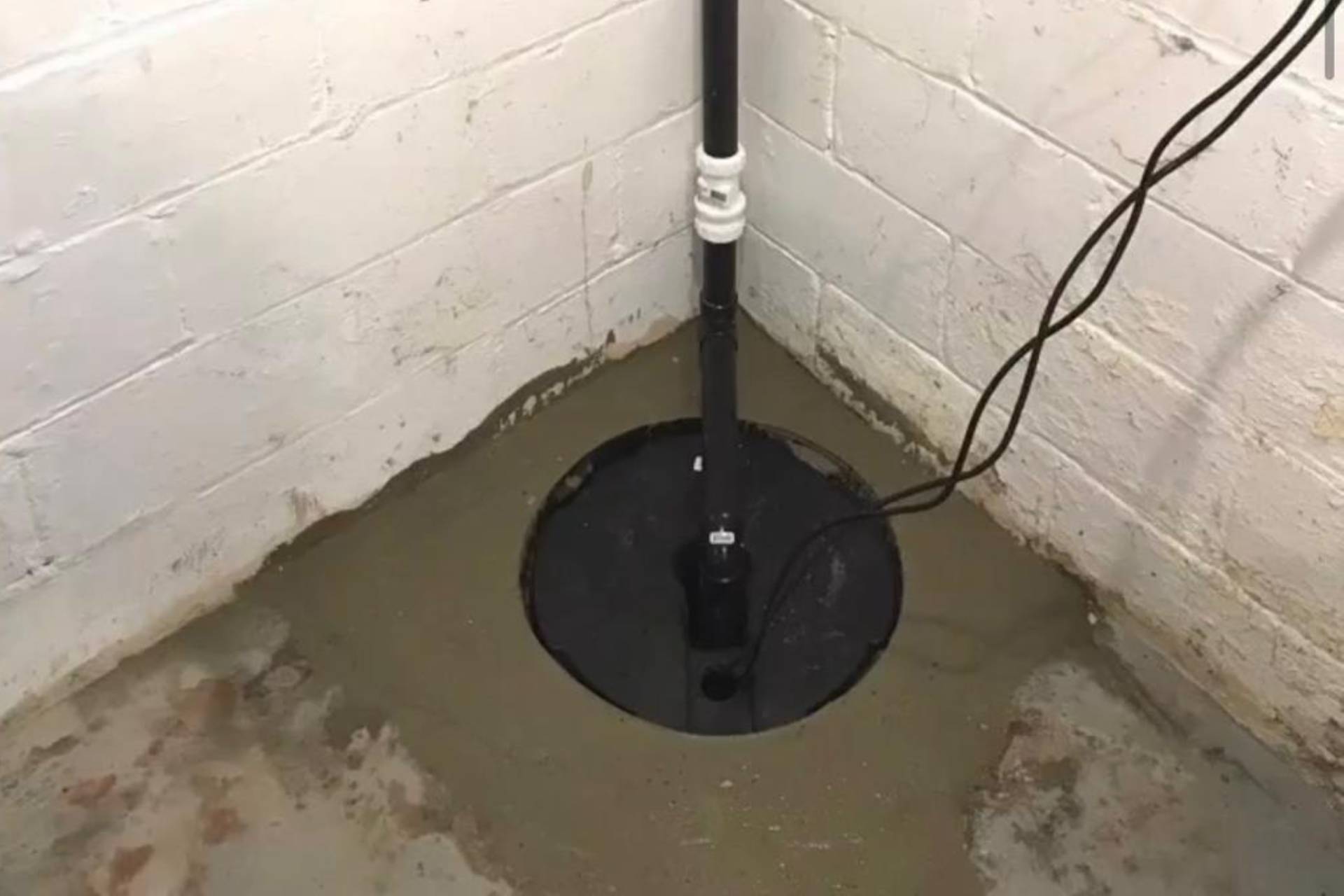
If you’re on one of the streets that drop down toward the valley, you’re closer to the water table than the house a block uphill. Clear water seeping up at the floor joint for days after a storm is the giveaway. That isn’t a crack problem and you can’t seal it from outside. It’s groundwater, and the answer is collecting it and pumping it out, with a backup pump for when the power goes.
The oldest houses
The historic district has Michigan farmhouses, Greek Revival, Gothic, Victorian and bungalows, and the neighborhoods north and west of downtown hold the city’s oldest homes. Foundations there are fieldstone, rubble or old brick. They were built for root cellars, not finished rec rooms.
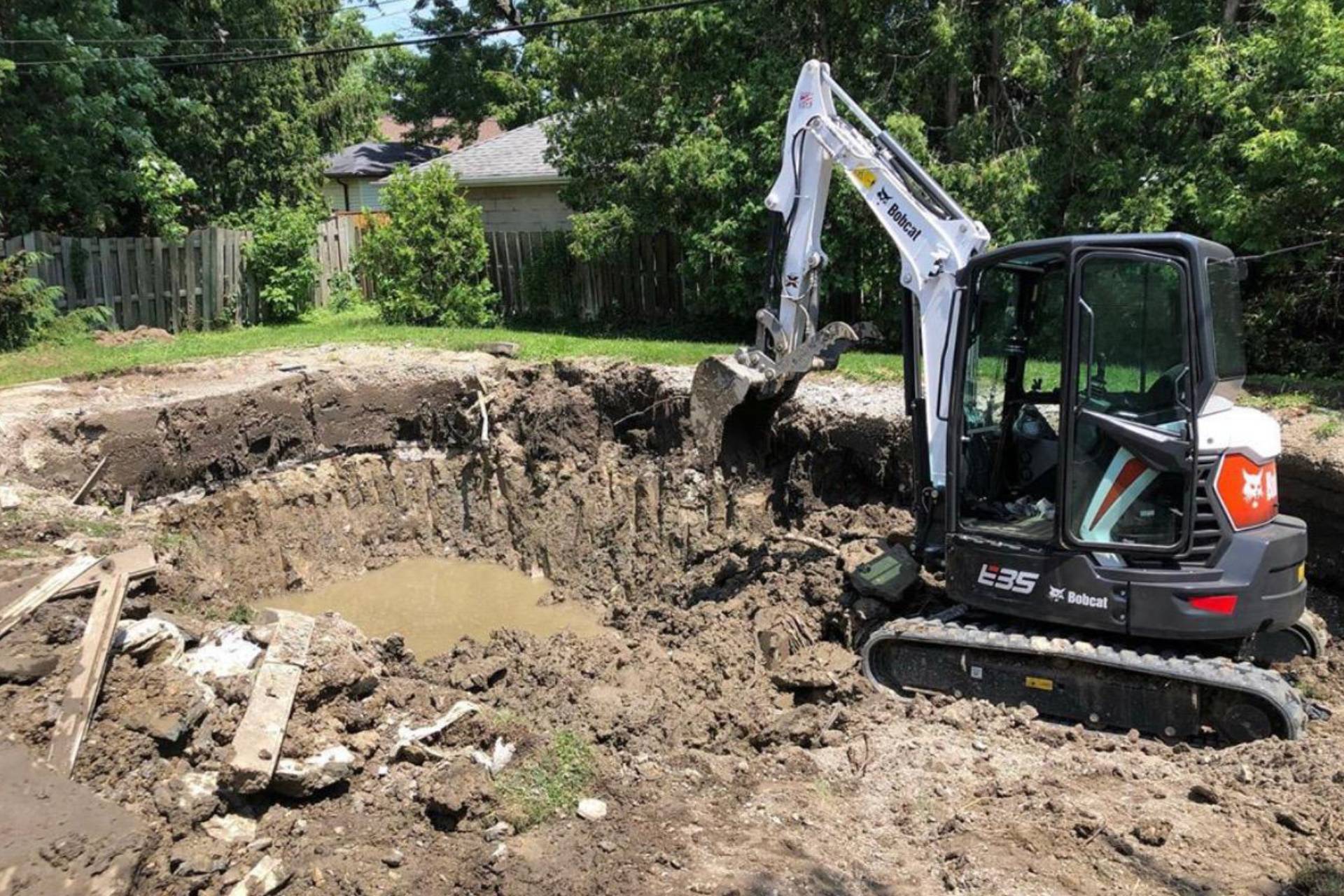
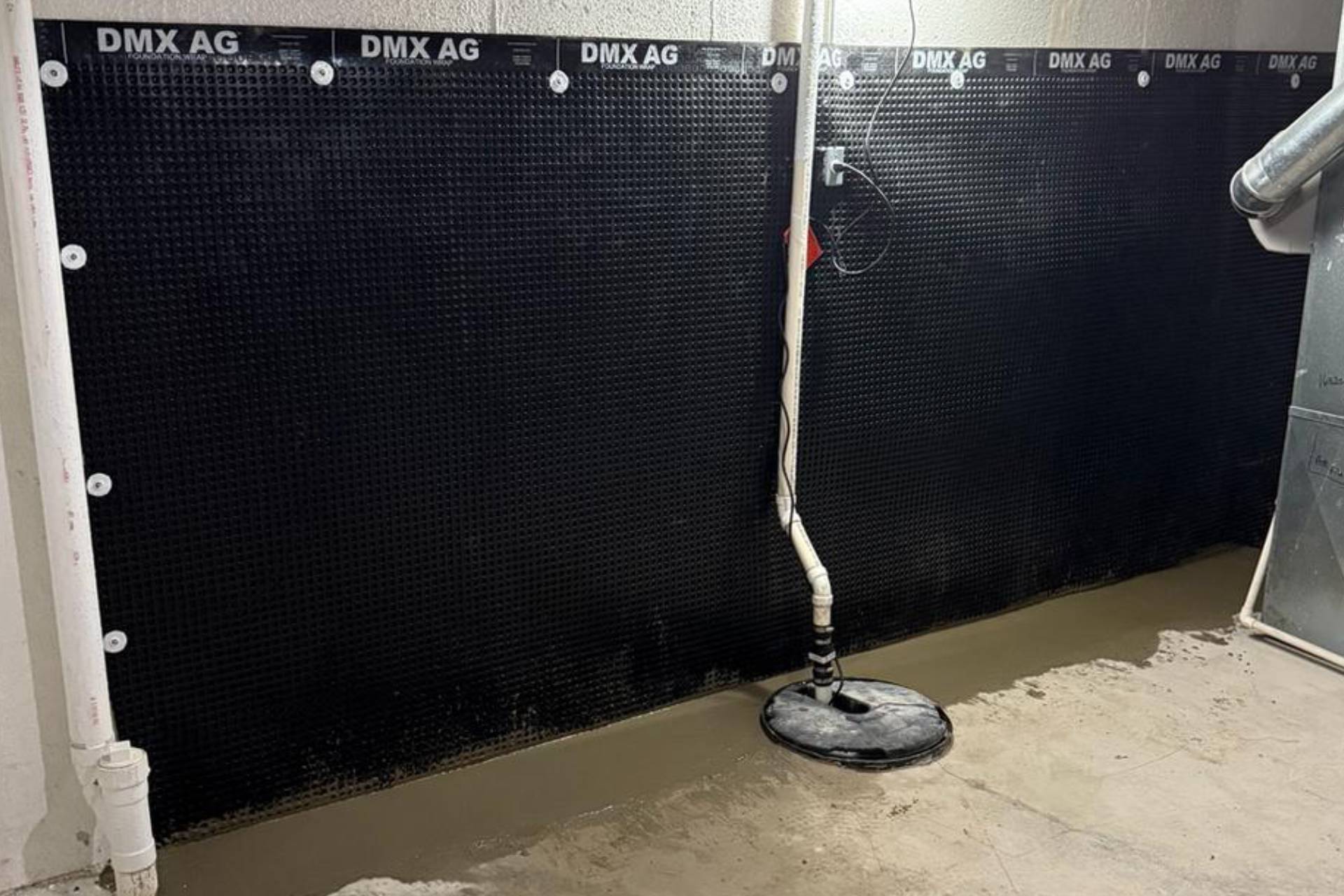
On those houses we try not to dig. Excavating along a hundred-year-old stone wall can loosen it. We’d usually run a drain along the inside of the footing, put a membrane on the wall so the water runs down behind it, and set a sump in the low corner. The wall stays damp on the back side. Your basement doesn’t.
The postwar ranches
Farmington grew fast after the war, and a big share of its houses went up in the 1940s and 1950s, a lot of them one-story ranches. The smaller, plainer houses in the older eastern neighborhoods are part of that, and so are the streets south toward Flanders along Farmington Road.
Ranches from that era almost always have concrete block basements. The block leaks at the mortar joints and fills up inside its hollow cores, so the water you see at the bottom of the wall has often been sitting in the block for a while. Painting it with a sealer looks good for one season.
Check the sewer line too
A house from 1950 has a sewer lateral from 1950, which means clay pipe with joints every couple of feet. Roots find those joints. If your floor drain gurgles or backs up when the washer drains, that’s probably the lateral and not the city. A camera inspection tells us, and hydrojetting clears roots out instead of just trimming them back.
If the backup only happens in big storms and the line looks clean, it’s the main surcharging, and a backwater valve is the fix.
Farmington is about 45 minutes from our shop in Shelby Township, a bit more at rush hour. The estimate is free, and we answer the phone at night for floods and backups.