The City of Grosse Pointe runs on one pump station
People call it “the City” so it doesn’t get mixed up with the other four, and it’s the smallest of the bunch by area. The Village shops on Kercheval sit in the middle. Around them are blocks of 1910s through 1930s houses on narrow lots, with Neff Park on the water and Cadieux running up toward Mack.
Almost all of it drains through a combined sewer to the Neff Road pump station. That one fact explains most of the basement calls we get from City addresses.
2016 showed how thin the margin is
On August 16, 2016, storm sewer pumps serving the City shut down in the middle of a heavy rain. About 200 homes backed up. The city’s own study said the pump failure and the rain together did it, and called it an extremely rare event. Then June 2021 came along and the whole east side found out that rare isn’t the same as never.
The city’s answer is a stormwater separation project to pull rain out of the combined pipes and take pressure off the Neff Road station. Voters approved a 21-year bond for it in August 2024, with close to 84 percent saying yes, and FEMA put money toward the first phase. Federal funding has been shaky since, so the timeline isn’t settled.
We think the project is the right call. We also think nobody should leave their basement exposed while it gets built.
What we’d do on a City house
Start with the sewer line. A camera inspection of the lateral tells us if the old clay pipe is cracked, offset or full of roots. If it’s sound, a backwater valve goes in on the main line so street-side sewage can’t come up your floor drain. If the lateral is bad, we repair it first.
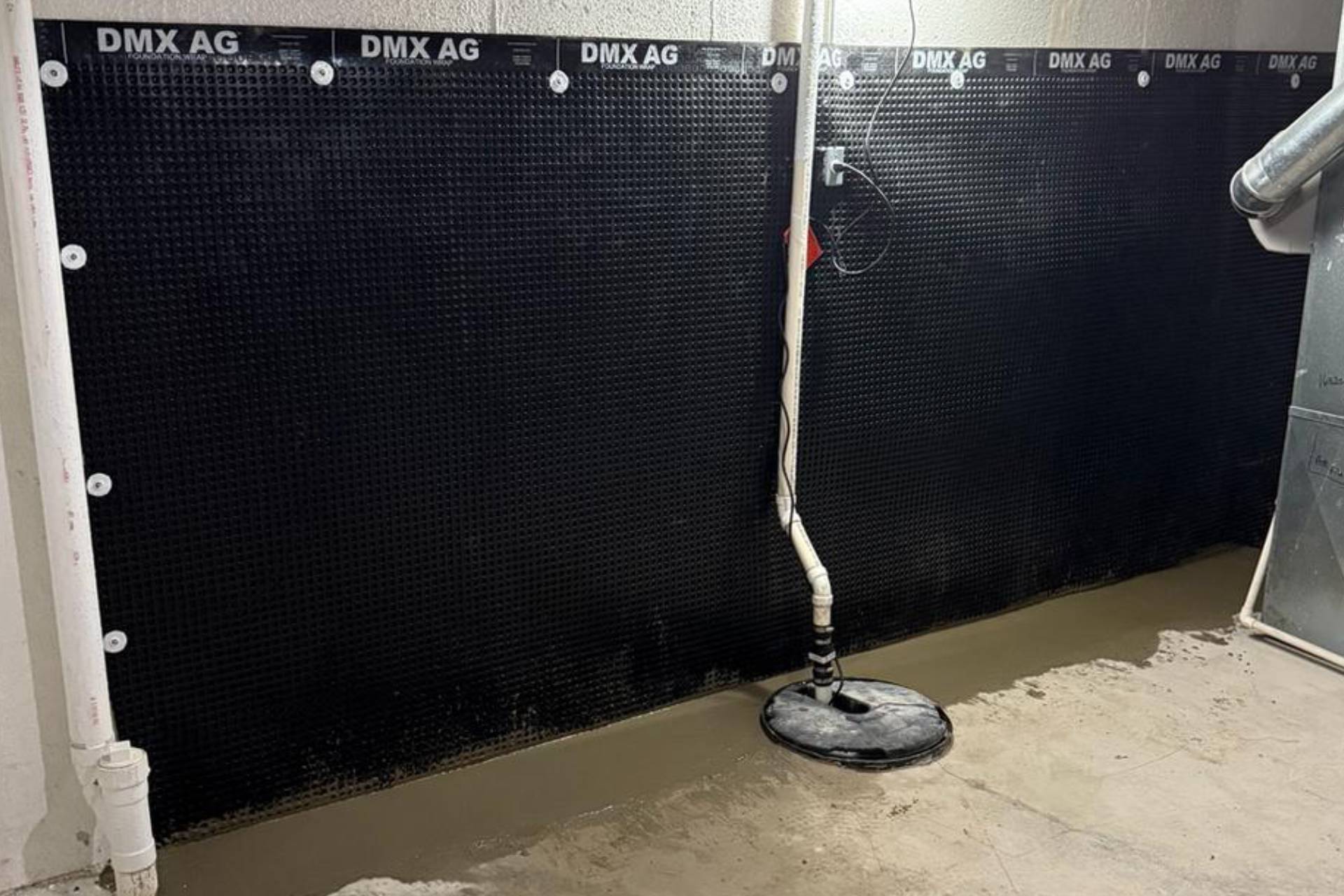
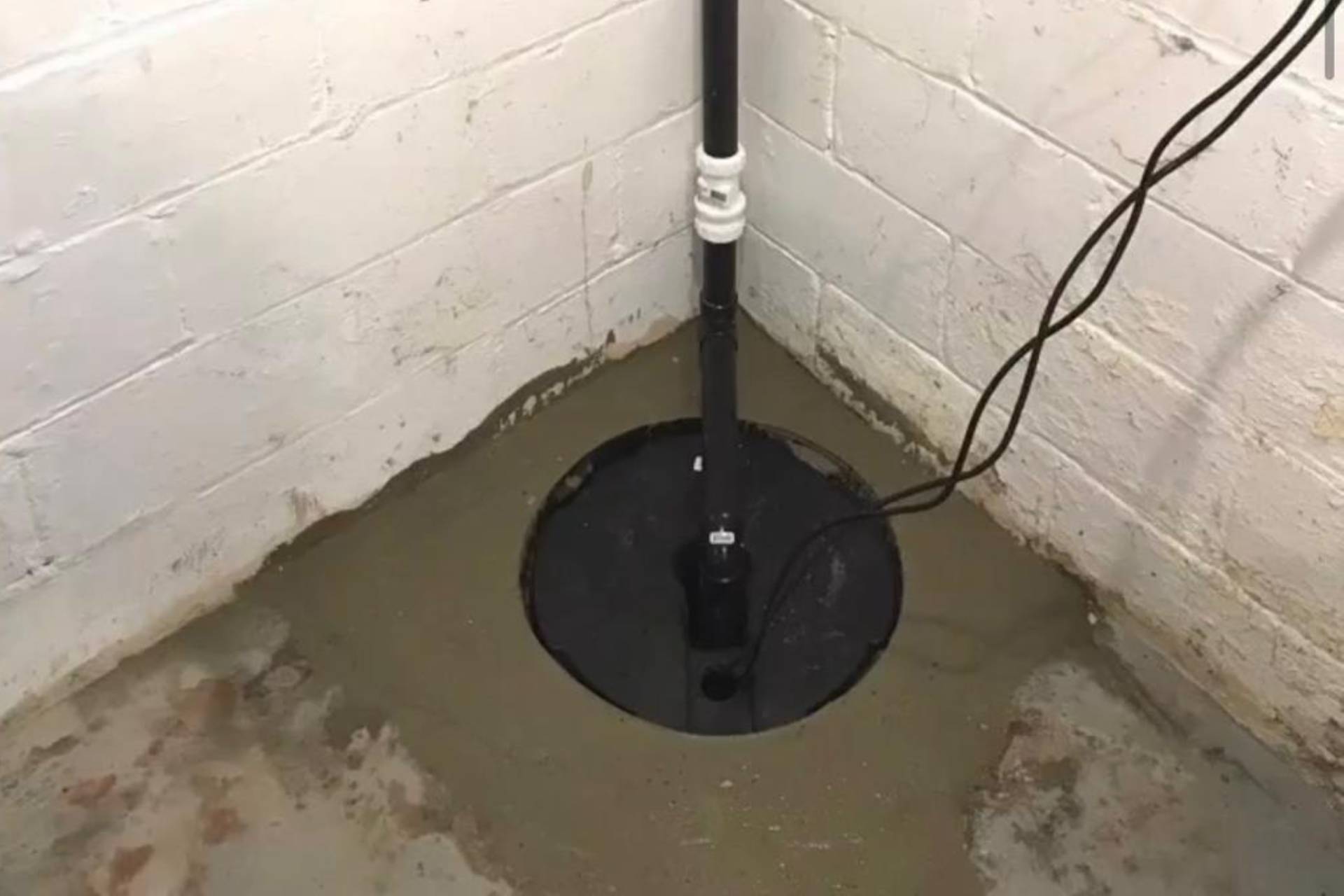
Then the walls. Pre-war City foundations are mostly brick, stone and clay tile. They seep slowly along the mortar instead of leaking at one crack, and they’re usually worst low on the wall, right above the footing, where the original clay drain tile outside has long since filled with silt. An interior drain along the footing to a sump catches that water no matter where it comes through. Add a battery backup, because the same storm that overloads Neff Road tends to knock power out on your block.
One more thing on City houses. Plenty of them still have downspouts that run into the ground at the corner of the house and feed the old footing tile or the sewer. During a storm that’s roof water headed straight for the same overloaded pipe. Cutting those off and carrying the water out into the yard is cheap, quick, and one of the few things that helps both you and the whole street.
Small lots, tight work
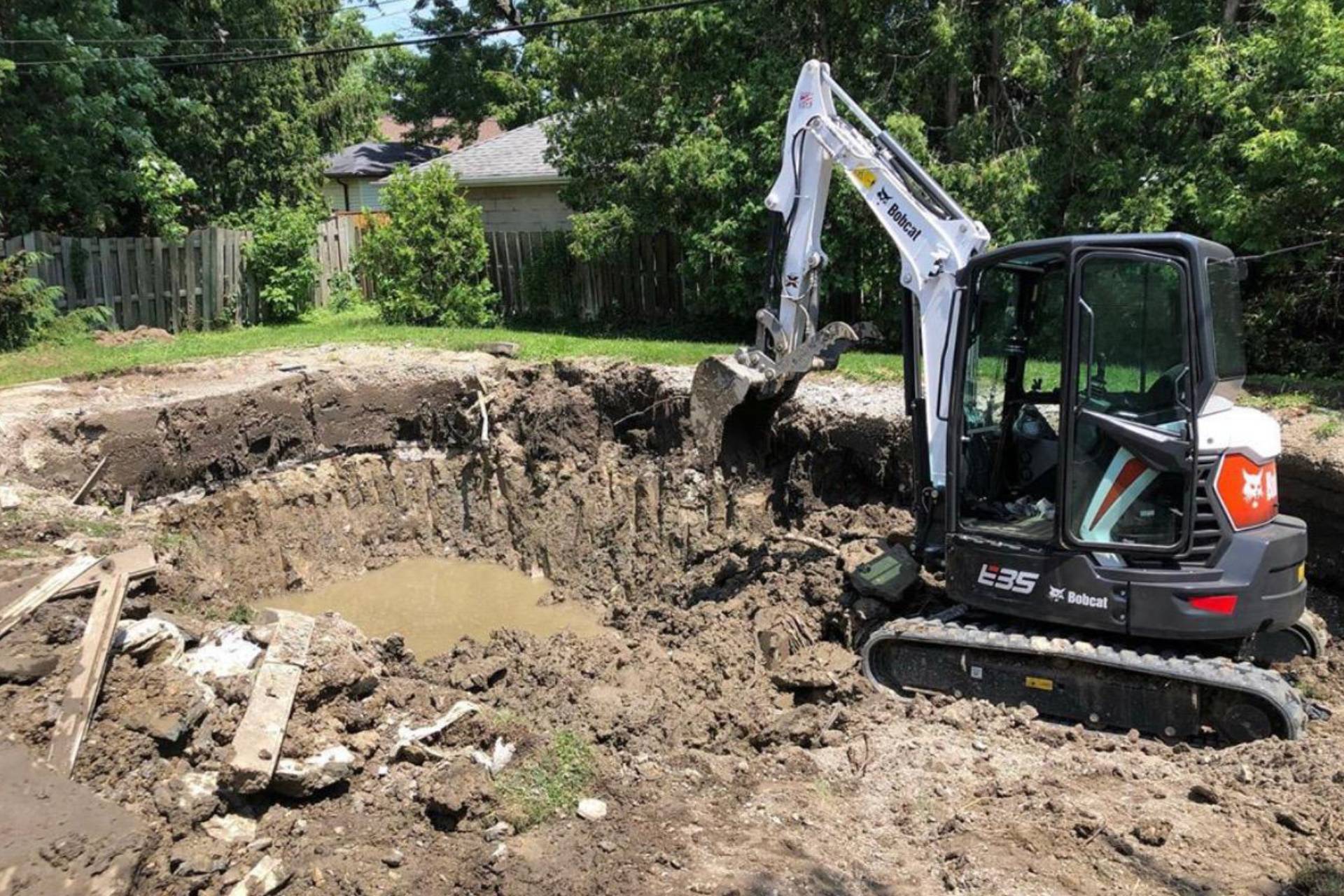
Most City side yards are a driveway on one side and a strip of grass on the other, with the neighbor’s house right there. That shapes everything. Interior work is usually the practical choice. When we do dig outside, on a corner lot or a wider parcel near the lake, it’s with small equipment and a conversation with the neighbor first.
Not every wet basement needs us
If water shows up only after you’ve watered the garden, or only at the corner where the downspout empties onto the driveway, start there. Extend the downspout. Check that the ground slopes away from the house. Plenty of City homeowners have fixed a damp corner with a weekend and a bag of topsoil. We’d rather tell you that than sell you a system you don’t need.