Orchard Lake Village sits mostly in the water
The village covers about four square miles and roughly forty percent of it is lake. Orchard Lake, the third-largest lake in Oakland County, takes up the middle. Upper Straits Lake and part of Cass Lake fall inside the city line too. Around 2,200 people live here, in fewer than 900 homes.
The land between the lakes was farms and summer property for a long time. Willis Ward, who owned Apple Island out in the middle of Orchard Lake, sold off many of the big parcels that became today’s neighborhoods, working from a little brick office on the St. Mary’s grounds at Commerce and Indian Trail. That campus was the Michigan Military Academy until 1908.
Big houses, long walls, finished lower levels
What we see most here is a large house on a sloped lot, walking out toward the water, with a lower level finished as nicely as the main floor. That’s a lot of foundation wall. On a newer house it’s poured concrete, and leaks tend to be at a few specific spots, like a shrinkage crack under a window, a tie-rod hole, or where a utility line comes through. Those are small jobs, and crack injection from the inside handles most of them.
Older houses that grew out of summer places are a different animal. You can find fieldstone or block under the original part and poured walls under the additions, each moving a little differently every winter. The seam where two foundations meet is the first place we look, and it’s often a spot where the drywall was patched years ago by someone who didn’t know why it kept staining.
Why we look before we cut
Drywall hides water well. By the time a stain shows on a finished wall, the water has usually been running along the floor or down a stud bay for a while, and the spot where it shows isn’t where it’s getting in. We trace it with a thermal camera and a moisture meter, then open the smallest hole that proves it. Slower than tearing off a whole wall. Much cheaper to put back together.
The lake side of the house
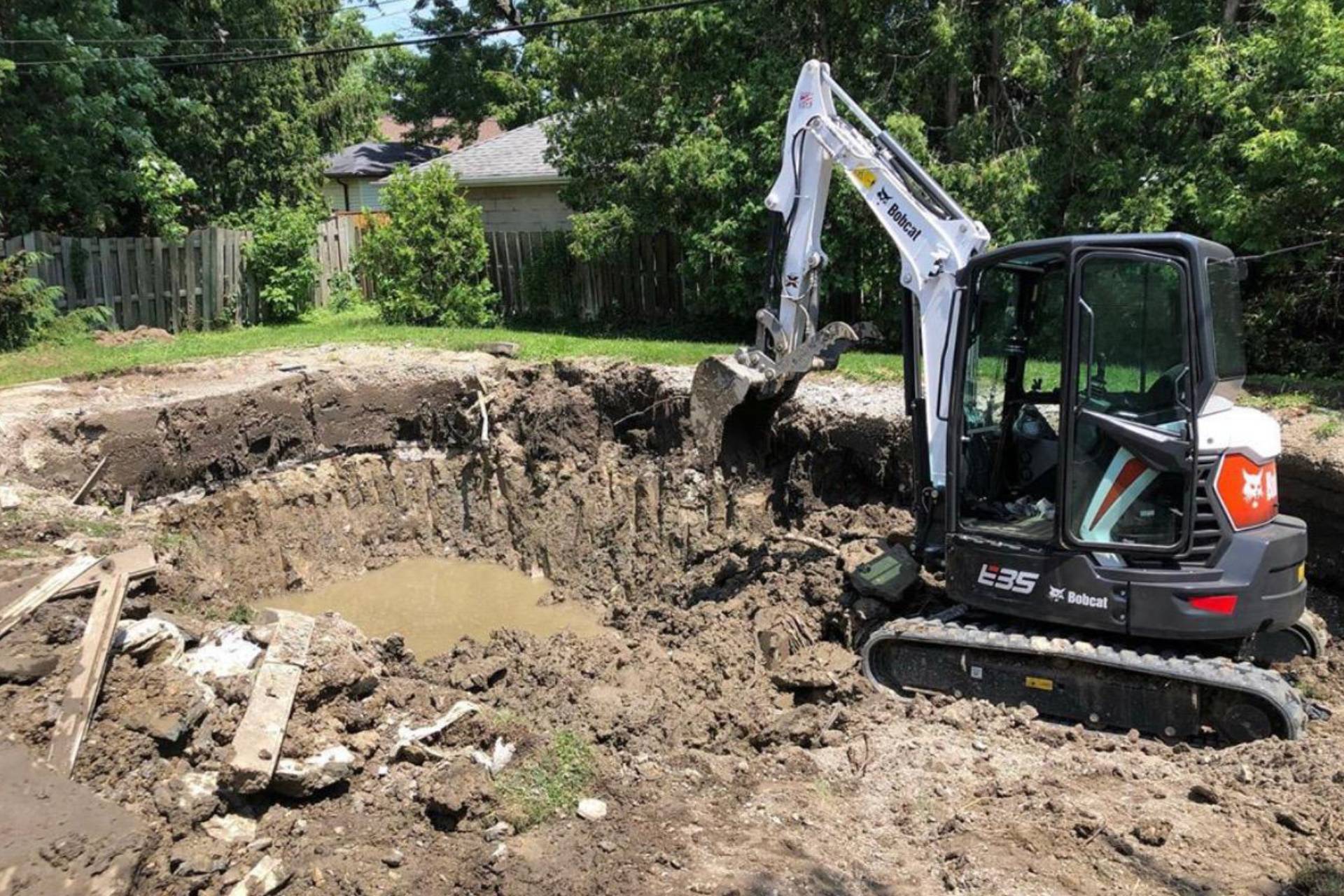
Lakefront lots drain toward the lake, and the water table rises toward the shore, so the walls nearest the water and the side walls stepping down the hill carry the most pressure. On a high-end finished basement we’d rather fix this from outside when access allows, with an excavated membrane and new footing drains, because it keeps water out of the wall instead of managing it once it’s through. Our exterior waterproofing page explains the process.
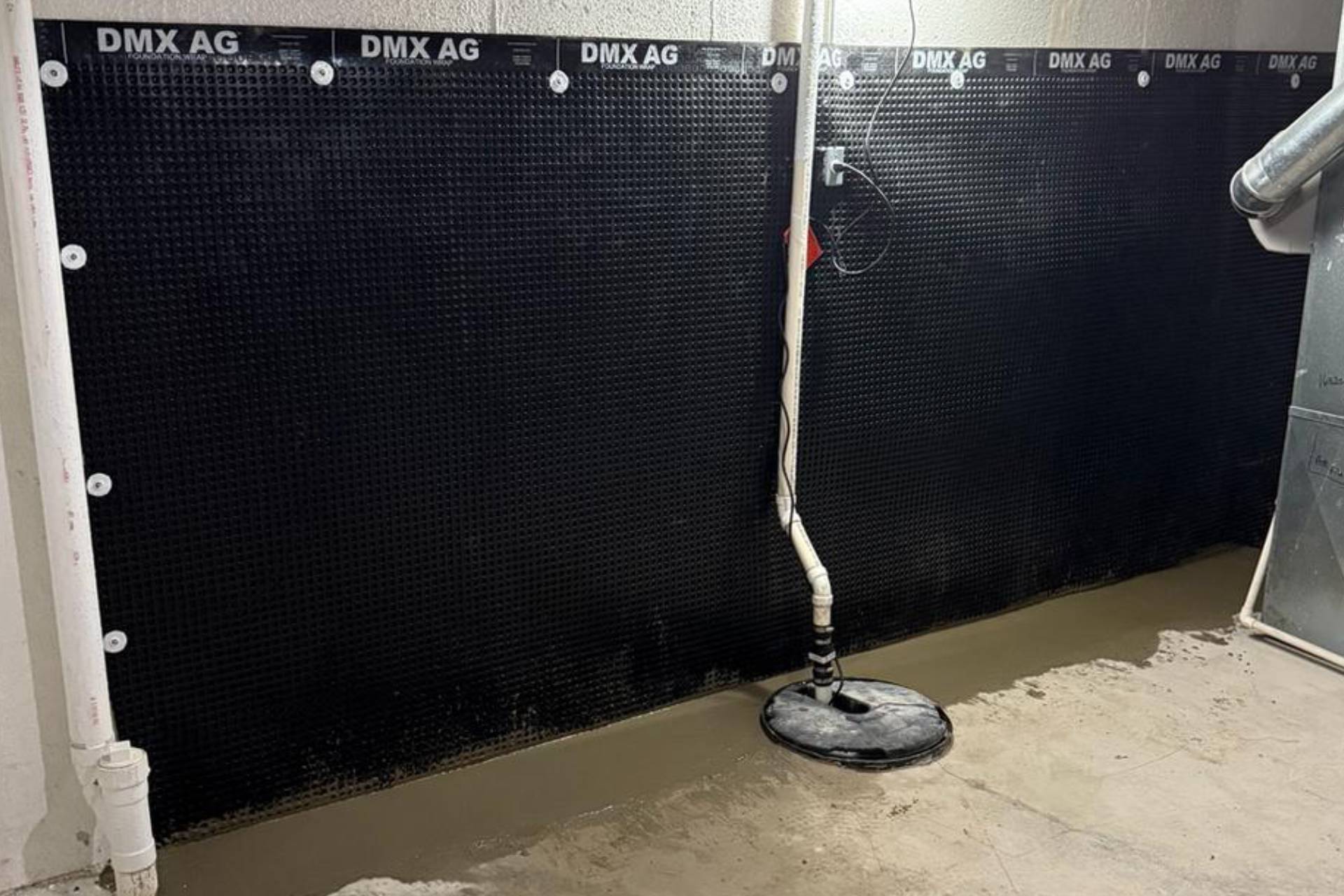
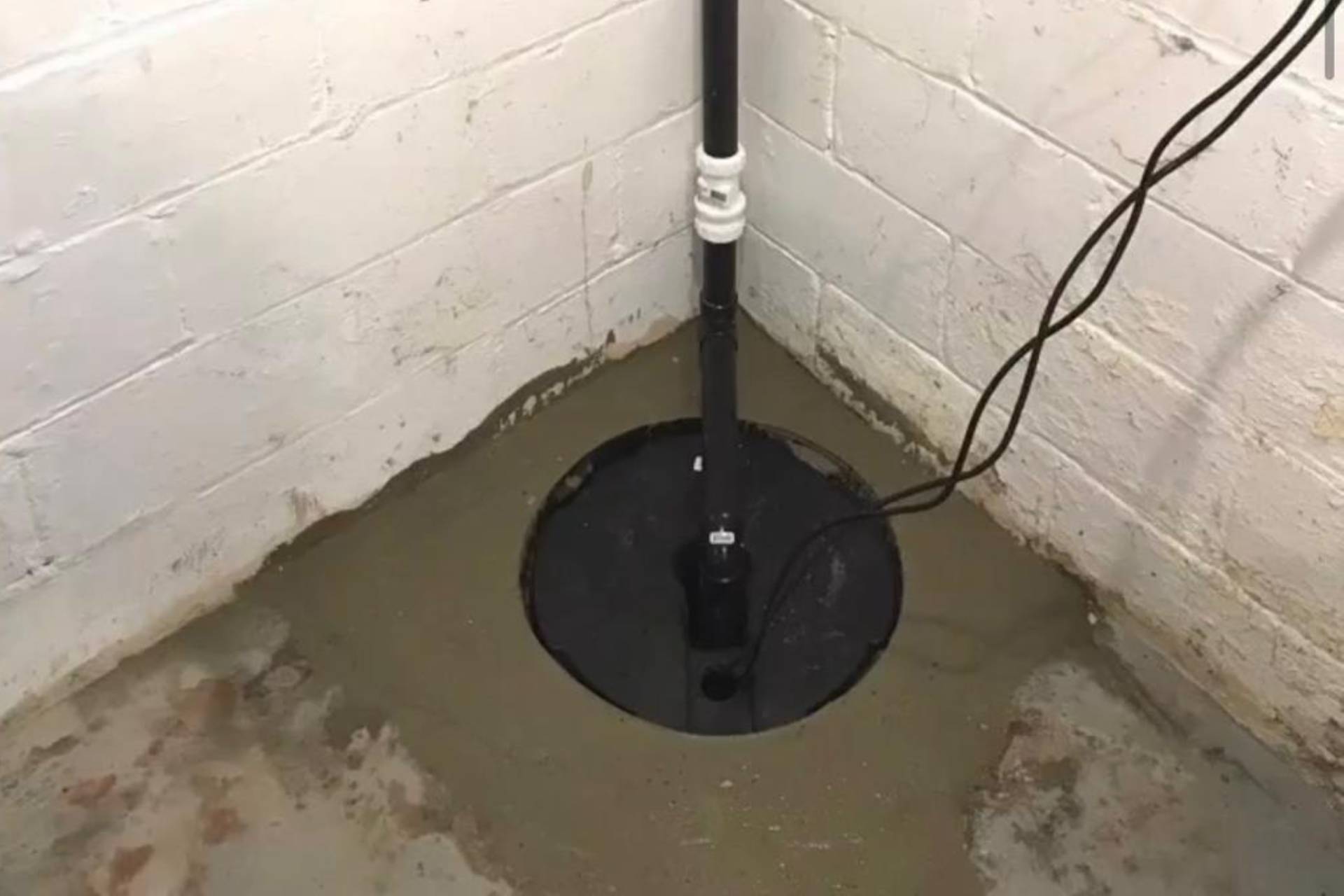
When patios, pools or a tight setback make digging impractical, interior drain tile and a good sump system do the job without disturbing the yard. It’s a fine answer. It just means accepting that some water reaches the wall and gets carried away underneath.
Either way, keep roof and driveway runoff away from the walkout. A lot of lake-side wet spots start with one downspout. On the bigger houses here, with long rooflines and multiple valleys, a single corner can collect a surprising amount of water, and if that corner drains toward a window well or a patio sloped the wrong way, it’ll show up inside within a storm or two.
Getting here
We’re in Shelby Township, about 40 minutes away. Estimates are free, we’re open 8 to 8 every day, and somebody answers the phone at night if the lower level is taking water.