Rochester sits where two streams meet, and that shapes every basement here
Paint Creek comes down out of Lake Orion and joins the Clinton River right in Rochester. That’s the reason the town exists. The water ran mills, starting with a knitting and carding mill on Paint Creek in 1844 and later the Western Knitting Mills building on Water Street in 1896. The old downtown and the blocks around it were built close to that water, on the lowest ground in the city.
Climb out of the valley and things change quickly. The hills around Rochester are glacial moraine, a jumble of sand, gravel and clay dumped by the ice. You can have fast-draining sand on one lot and a slick clay layer three feet down on the next one. That’s what makes Rochester tricky. The same storm will put water in two basements for completely different reasons.
The floods people still talk about
In June 1946 heavy rain broke the dam holding the mill pond on Paint Creek, the pond drained all at once, and the east side of Rochester flooded. The pond never came back. The site was filled and built on years later.
More recently, in early July 2024, the city took five to six inches of rain over two days. A 100-foot section of the Clinton River Trail near Parkdale Road washed out, and in a separate washout the river undercut a retaining wall near Diversion Street. The city said several homes, businesses and the fire department took on water. The trail made the news. Basements took most of the damage.
What we tend to find, house by house
Only about a tenth of Rochester’s homes date from before 1940, and the median house is from the early 1980s. So the picture is mixed. Near Main Street and the creek you’ll find older houses on block or stone, often with silted clay tile, sitting on a high water table. Up the hills it’s more 1970s through 1990s construction on poured walls, plenty of finished basements and walkouts, and a lot of backfill that settled toward the house.
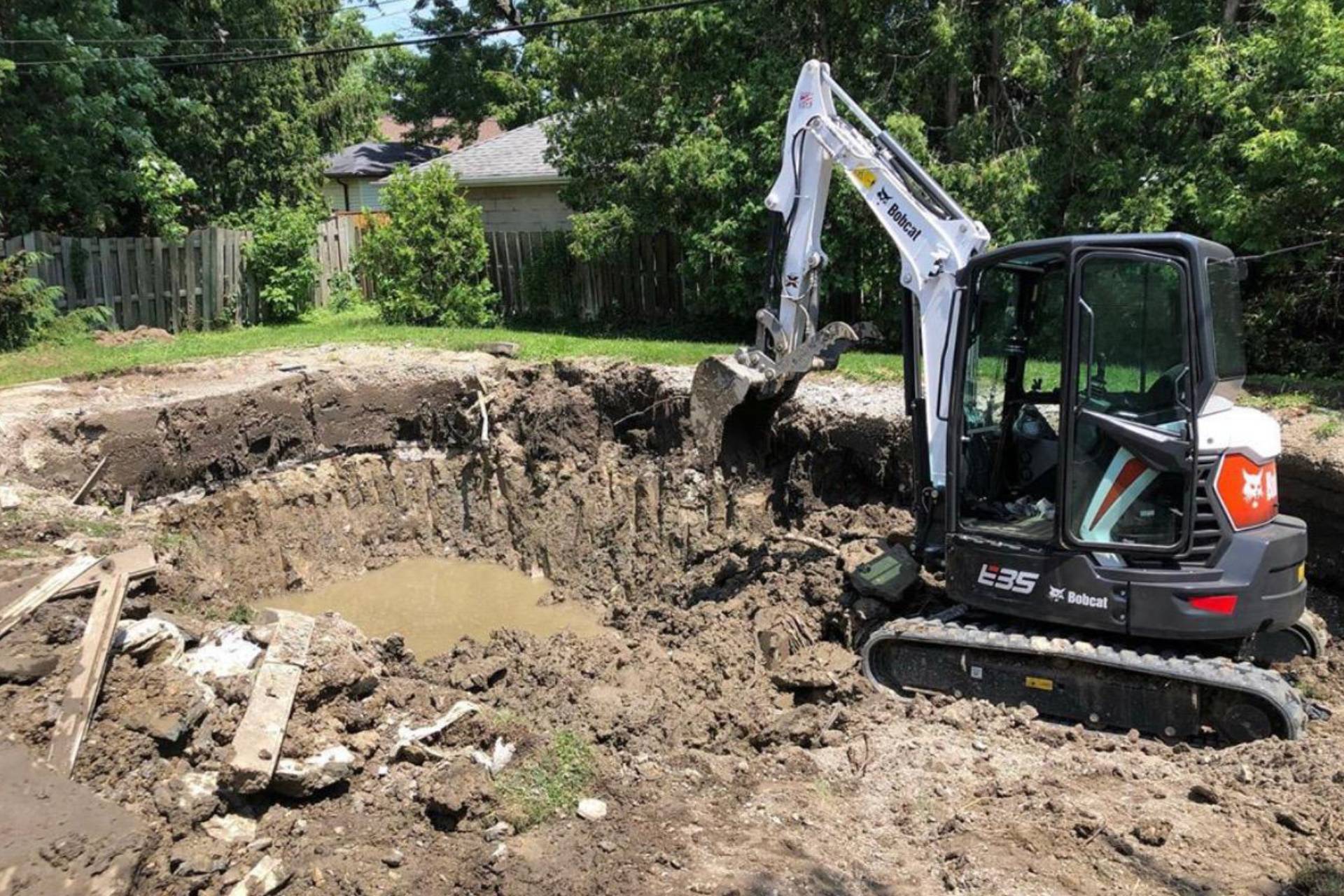
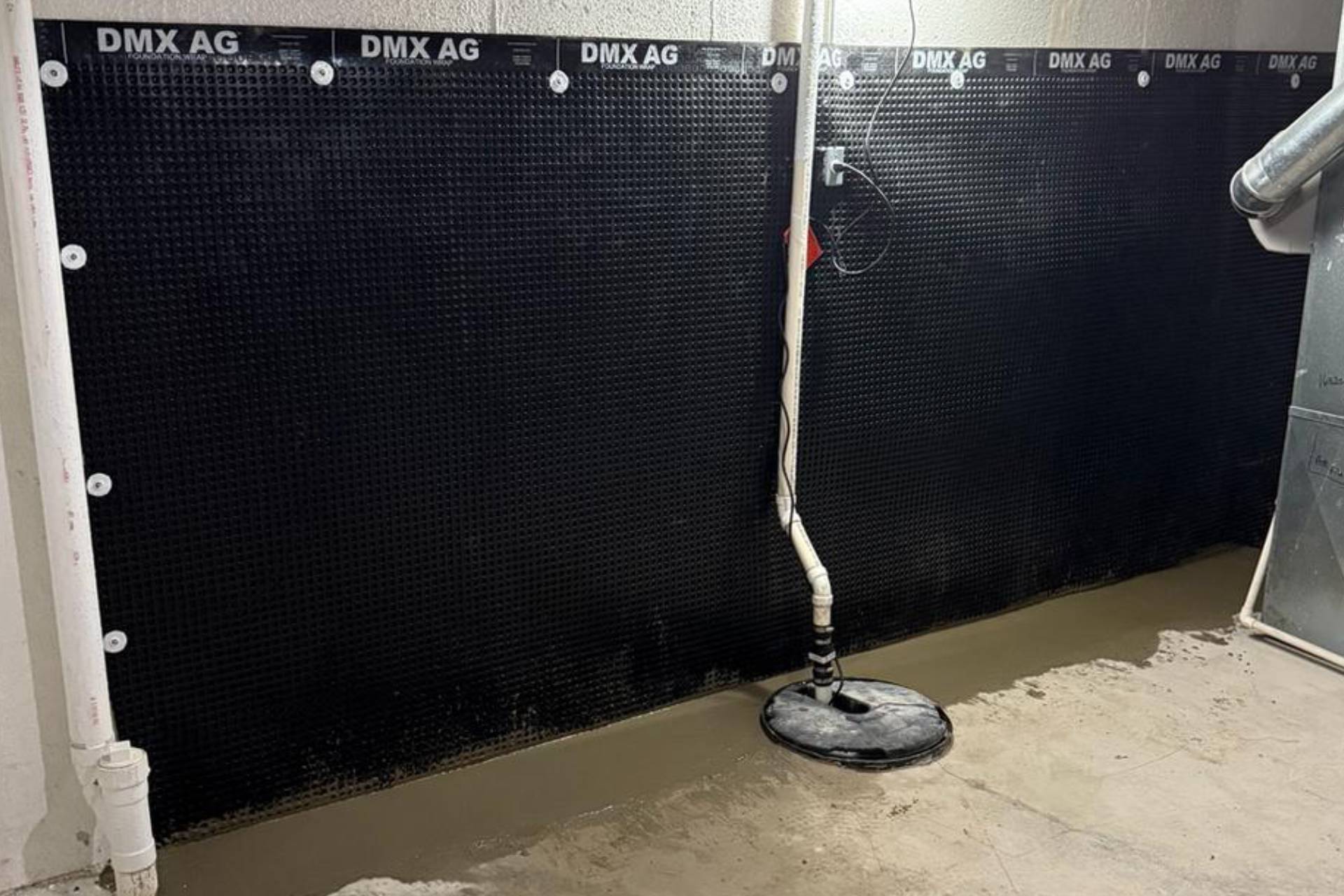
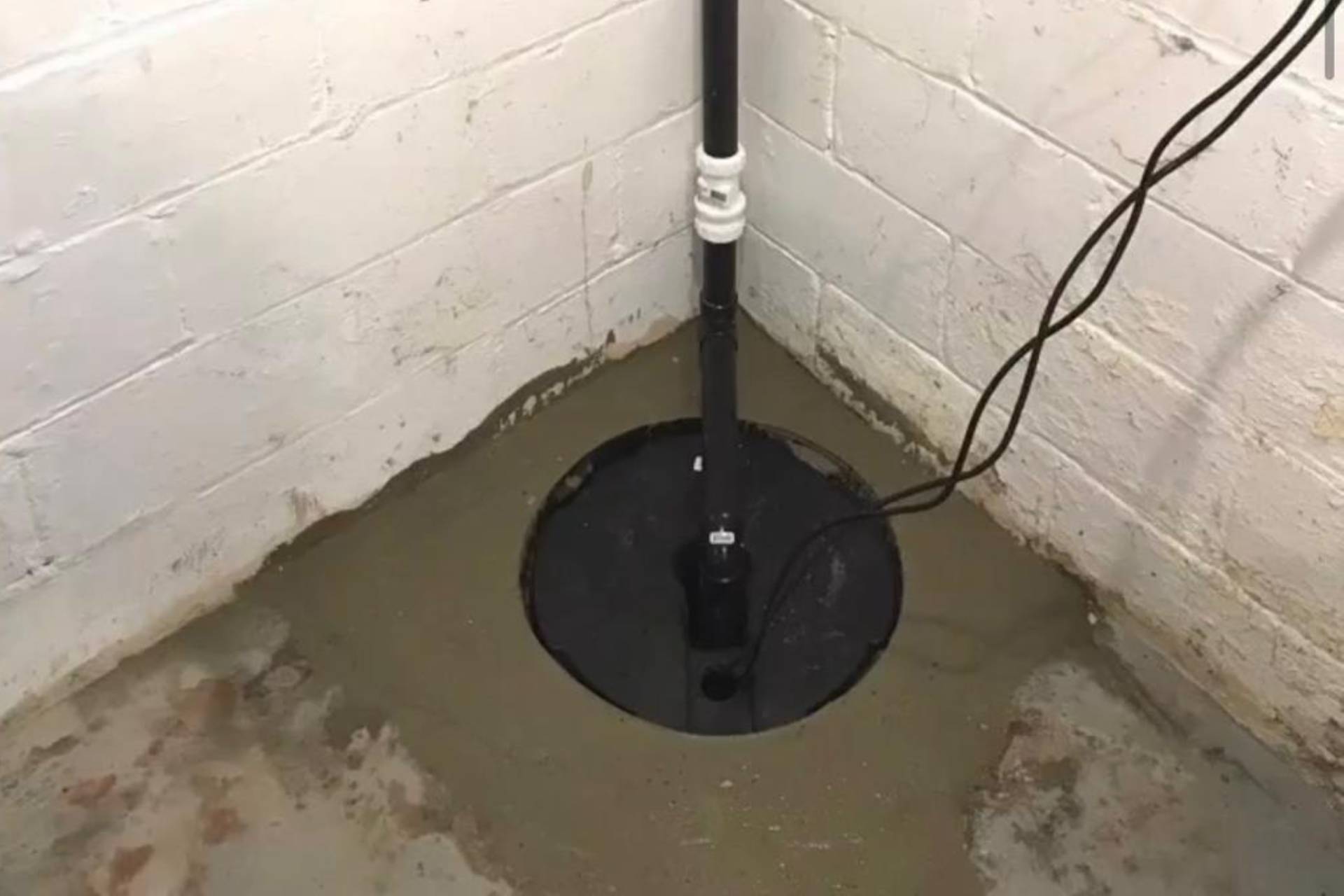
On low ground near the creek, we put the effort into the sump. A bigger pit, a primary pump that isn’t working at its limit, and a battery or water-powered backup. Up the hill, we look outside first, because a lot of hillside leaks are just water from gutters and driveways running down to the foundation. A French drain or dry well uphill of the house can do more than anything we’d put inside.
Things we’d tell a friend in Rochester
If the only water you get is a stripe along one wall after a downpour, check that downspout before you call anyone. If your basement smelled like sewage after July 2024, that wasn’t groundwater, and it calls for a backwater valve, not wall work. And if you’re on the low ground near Paint Creek and your sump has no backup, that’s the first thing we’d change, before any other work.
Some of these basements can’t be made perfect, and we won’t pretend otherwise. They can almost always be made dry enough to use.
If you’re on the hills, it’s also worth looking at the house next door. On sloped lots a neighbor’s new patio, driveway or downspout can send water your way that never used to come, and the leak shows up on your uphill wall the next spring. That’s not something drain tile should have to absorb forever. Sometimes the best fix is a conversation over the fence and a shallow swale along the property line.