A township built mostly after 1970
Canton was organized in 1834 and stayed small for well over a century. The 1970 census counted 11,057 people. By 1980 there were 48,616, and by 2020 there were 98,659, which makes Canton the second most populous township in Michigan, after Clinton Township. Census-based estimates put about 63% of Canton’s homes in the 1970 to 1999 range and about 29% after 2000, so more than nine in ten were built since 1970. About two-thirds are single-family houses.
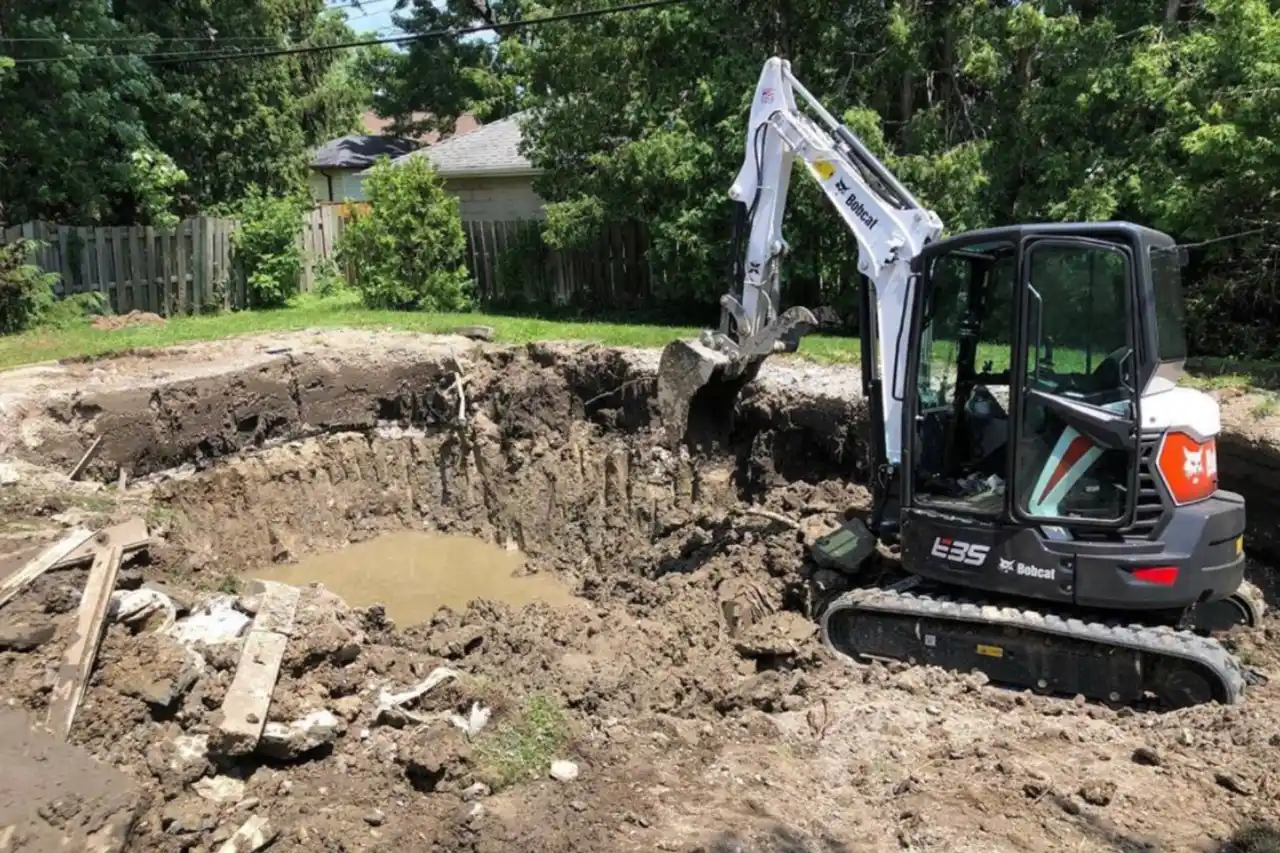
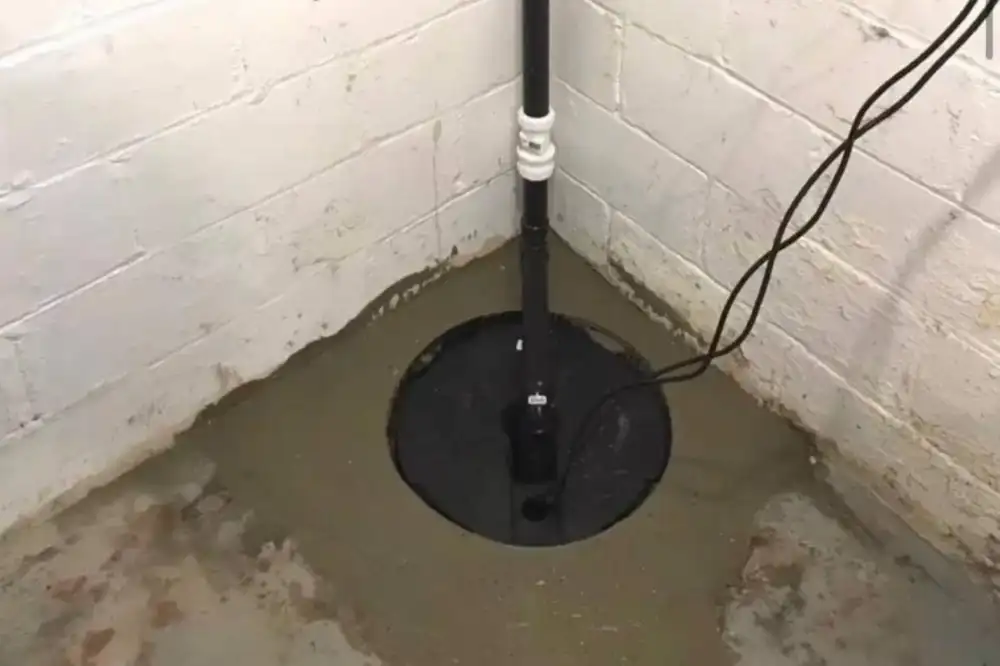
The south end of the township drains to the Lower Rouge River and Pine Creek, and in some neighborhoods the lay of the land lets storm water collect before it can drain away. In a house with a sump, the footing drains carry groundwater to the pit and the pump sends it outside. That works as long as the walls stay tight and the pump keeps running.
Your sump is part of how Canton works
Canton’s water and sewer rates, effective May 1, 2026, list two fixed sewer charges, one for homes with a sump and one for homes without, and the no-sump charge is twice as high. Sumps are common enough here to get their own line on the rate sheet. If your house has one, the pump is working every wet week of the year.
Storms that tested Canton basements
- July 2019. After 2 to 4 inches of rain fell in a short time, federal storm records say roads throughout Canton became impassable and cars were flooded.
- August 24, 2023. Western Wayne County was the hardest-hit part of the region, with 4 to 7 inches of rain across much of it. Storm reports describe water rescues on Canton roads and many businesses in the township damaged by flooding. Afterward, homeowners in Canton’s two main ZIP codes, 48187 and 48188, filed more than 800 registrations for FEMA disaster aid. That declaration also covered wind damage, so not every registration was a wet basement.
- July 30, 2025. About a foot of water stood in Cherry Hill Village and in a neighborhood off Geddes Road.
Newer houses aren’t exempt. Grandview Estates, off Denton Road near Geddes, has been around since 2021, and residents told WXYZ they had flooded three times in four years. One said 8 inches of water got into his basement, coming in through the sump and around the frame. In May 2025 the Army Corps of Engineers was studying flooding in Canton, particularly in Grandview Estates, under its Planning Assistance to States program, and officials said they were working with homeowners associations to keep stormwater ponds working.
After a storm like that, these are the questions we’d work through in a Canton basement:
- Did the pit overflow? Then the pump stopped, fell behind or had nowhere to send the water. If the pit is sound, a new pump on a standard system is about $600. If the pit is cracked or too small, the whole system gets replaced, about $2,500 to $3,000 for a standard one.
- Did the power go out? A backup pump keeps the pit draining when the main pump loses power.
- Is one pump running nonstop? Where groundwater outruns a single pump, a second pit and pump can share the load. For backups and second pits, contact us for accurate pricing. We have to inspect the job before we can give you a price.
- Where does the discharge empty? A line that ends beside the foundation sends the same water back around to the pump.
More on sump pump replacement and installation. Our waterproofing warranty doesn’t cover the sump pit or the pump.
One honest limit: if water is coming in around a window or door frame, that’s surface water, and no sump pump will stop it. That’s a grading, window-well or neighborhood drainage problem, and we’ll tell you which.
If the water is already on the floor, our flood restoration service pumps it out, cleans and dries the basement, and uses thermal imaging to find wet areas behind the walls. Then we find out why it flooded and fix that.
Foundation repair: cracks, tie-rod holes and bowing walls
Poured concrete walls crack as the concrete cures and the house settles, and the tie-rod holes left from the forms can leak in a neat row. Most of those cracks run up and down or on a diagonal, and they’re usually a leak problem rather than a structural one. Concrete block walls leak differently, at the mortar joints and along the floor.
- A leaking crack or tie-rod hole. Crack injection with epoxy or polyurethane seals it from inside, about $500 to $2,500 per crack.
- A horizontal crack or a wall that’s bowing in. That’s soil pressure pushing on the wall, and sealing alone won’t stop it. It needs steel I-beam braces or carbon fiber. Carbon fiber strips run about $1,500 to $2,500 for a wall that has only started to bow, and steel braces about $1,500 to $4,000 for one that has moved more.
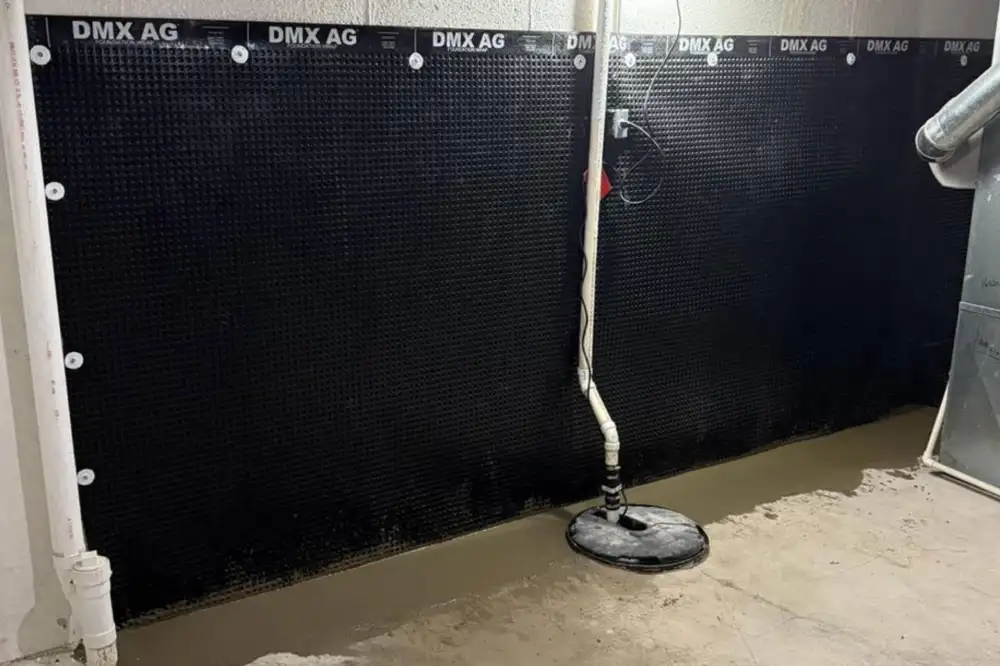
- Seepage along the footing. When the footing drains can’t keep up, interior drain tile to a sump is the usual fix, about $2,000 to $35,000 depending on how much wall is involved.
- A finished basement you’d rather not open up. Sometimes the wall can be done from outside instead, with exterior waterproofing, about $3,000 to $60,000.
Our cost guide explains what moves those numbers. Waterproofing work, including crack injection, carries our 25-year transferable limited warranty on our workmanship. Wall bracing isn’t covered by it, and neither are the sump pit and pump.
Yard water, detention ponds and French drains
Many Canton subdivisions handle storm water with detention ponds that the homeowners association maintains, and the township publishes a guide for HOAs on keeping them working. If water stands in your back yard, find out whether it’s your lot, your HOA’s pond or a county drain before you spend money.
If you want to run a French drain into a catch basin, Canton has a set procedure. The trench gets 4-inch perforated tile in a filter sock, sloped to the basin and bedded in pea stone, and no downspouts may be connected to it. MISS DIG has to be called 72 hours ahead, and the township’s public works crew makes the final tie-in to the catch basin itself, after a service-connection fee is paid.
We install French drains and dry wells and regrade yards that slope toward the house. Drainage work isn’t covered by our waterproofing warranty.
Sewer and water lines
The township says Canton’s water infrastructure has no lead service lines, so if your water line needs replacing, it’s because of a leak or a break, not lead. We handle water service line replacement and sewer line repair. Main sewer lines get cleared with hydro-jetting; the Electric Eel only goes into small fixture drains like sinks and tubs. A camera inspection shows where the problem is before any excavation starts.
A sewer camera inspection is a flat-price service that includes locating the line, a saved video of the pipe and a written report; ask about the price when you call. For sewer and water line repairs, contact us for accurate pricing. We have to inspect the job before we can give you a price.
One of our posted jobs is close by: in August 2025 we hydro-jetted and camera-scoped the sewer line at a commercial plaza in Livonia. Canton businesses and property managers get the same jetting, camera and excavation work; see our commercial services.
Permits in Canton
Plumbing permits come from the township’s Building and Inspection Services. Applications go in online through BS&A. The township doesn’t ask for HOA approval before it issues a residential permit. Getting the association’s OK first is up to the applicant and the owner. For sewer taps and excavation, Canton’s Engineering department wants the contractor’s insurance certificates and a license-and-permit bond on file before it approves a permit.
Getting to Canton
Canton is about 50 miles from our base in Shelby Township, a little over an hour’s drive. Estimates are free, emergency calls are answered 24/7, and we typically reply within 2 hours. Financing through Enhancify is available for residential and commercial jobs.
Canton is part of our Wayne County service area. Nearby, see our pages for Livonia, Farmington and Farmington Hills.