What a Detroit basement usually looks like
By the Census Bureau’s latest estimates, about 78 percent of Detroit’s homes were built before 1960: 37 percent before 1940, 21 percent in the 1940s and 20 percent in the 1950s. About 220,000 are single-family houses, and roughly 19,000 more homes are in two-unit buildings, the flats and duplexes found all over the older neighborhoods.
Two well-documented neighborhoods show the pattern. East English Village, between Mack, Harper, Cadieux and Outer Drive, started building in earnest around 1928, and most of its bungalows, Cape Cods, Colonials and Tudors went up from the early 1930s through 1950. Rosedale Park on the northwest side is a National Register historic district of 1,533 properties, mostly brick houses from the late 1920s through the 1940s.
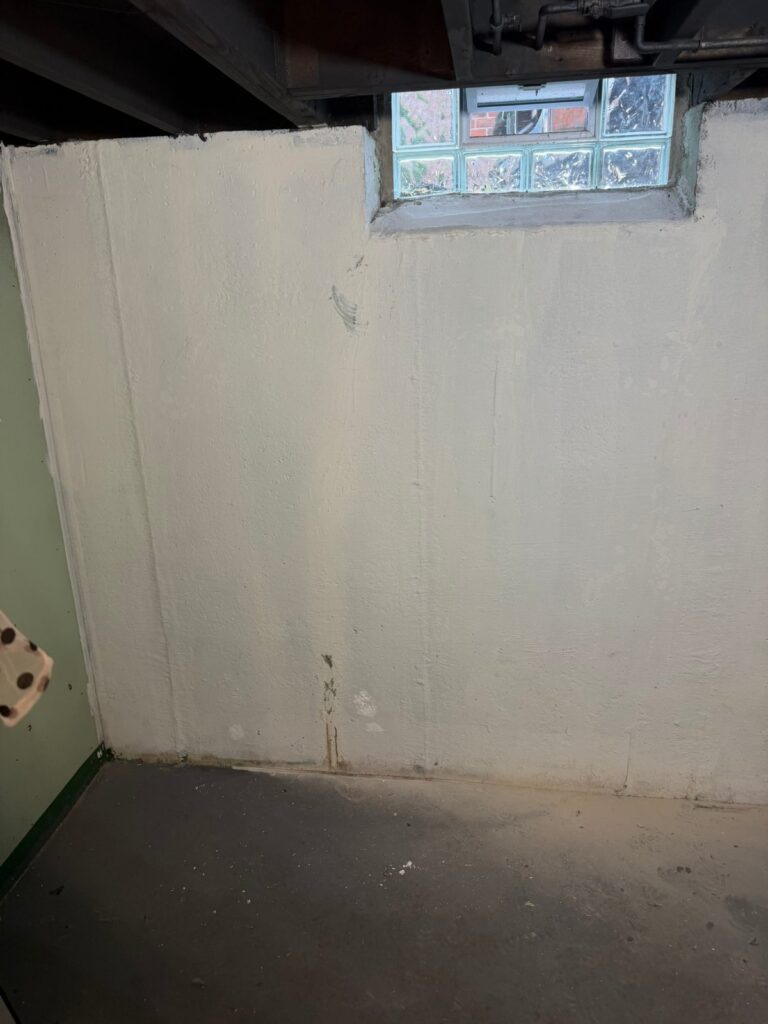
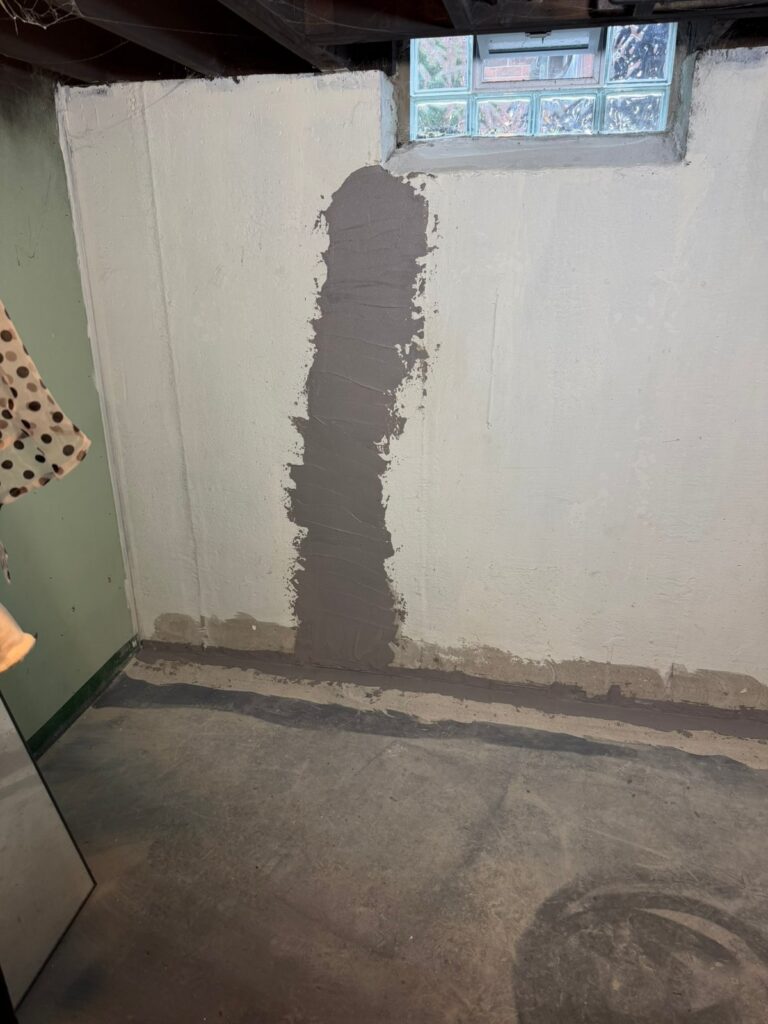
Houses that age usually stand on brick, block or early poured walls, often with worn mortar or old cracks. Under them are clay-tile footing drains that have silted up over the decades, and a floor drain tied straight into the sewer. On one Detroit job the cove joint, where the wall meets the floor, had opened wider than normal beside a foundation crack. We injected and patched both with two-part epoxy.
The ground changes across town
The USDA soil survey shows how much Detroit’s neighborhoods differ underground. On the east side, around East English Village and down in Jefferson Chalmers, it maps poorly drained clay, where groundwater can rise to roughly 20 inches below the yard. Around 7 Mile between Livernois and Woodward, near Palmer Woods and Sherwood Forest, the soils are sandier and the water sits nearer 3 feet down. Rosedale Park is on Avoca soil, a sand layer over loamier ground also found in parts of Southfield, with seasonal water about 30 inches down.
So two Detroit basements a few miles apart can need different fixes. Where groundwater runs high, it pushes in at the floor joint on top of any sewer backups. On sandier ground, backups and cracks can be the whole story.
Foundation repair in Detroit: bowing walls and cracks
Decades of wet soil and frost lean on a basement wall. When the push wins, block or brick cracks sideways and bows in at mid-height, and patching the crack won’t stop it. The wall has to be held.
- A wall just starting to lean in can take carbon fiber, approximately $1,500 to $2,500.
- A wall that’s bowed further takes steel I-beams, approximately $1,500 to $4,000 once we’ve measured it.
- Leaking cracks and tie-rod holes get crack injection, approximately $500 to $2,500 per crack.
Braces and carbon fiber hold the wall where it is; they don’t push it back. Read more about foundation repair. Crack injection carries our 25-year transferable limited warranty, workmanship only. Wall reinforcement doesn’t; any warranty on braces or carbon fiber is the one written in your contract.
Combined sewers and the 2014 and 2021 floods
Detroit’s sewer system is combined. Rain and sewage share nearly 3,000 miles of pipe fed by more than 90,000 catch basins. When a storm fills those pipes, the water looks for the lowest way out, and in a lot of houses that’s the basement floor drain. That’s why Detroit flood damage is so often sewage rather than groundwater.
On August 11, 2014, 4.57 inches of rain fell at Detroit Metro Airport, Detroit’s second-wettest day on record, behind July 31, 1925. Freeways went under water, and more than 100,000 homes were damaged across Wayne, Oakland and Macomb counties. On June 25 and 26, 2021, more than 6 inches fell on Detroit and three suburbs. Within six weeks about 30,000 Detroit residents had registered for FEMA aid, and FEMA had approved about $29 million for them.
Don’t lean on the flood map, either. First Street Foundation has estimated that 36,990 Detroit properties are at risk in a 100-year flood, against 4,162 inside FEMA’s 100-year flood zone, because FEMA’s maps don’t account for flooding from heavy rain alone.
What the city is doing about it
- Basement Backup Protection Program. DWSD installed 382 backwater valves in Aviation Sub and Victoria Park, the areas hit hardest in June 2021, then opened Phase 2 in nine more neighborhoods in February 2024. Applications for both phases are closed for now (see the FAQ below), so if you live in one of those neighborhoods, check with DWSD before you pay anyone, us included, for a valve.
- Far West Detroit stormwater project. Finished in July 2026 for $40.4 million, it sends runoff from about 213 acres to two basins in Rouge Park, lowering backup risk for about 1,200 homes.
- Downspouts. DWSD asks owners to disconnect downspouts from the sewer and offers drainage-charge credits for keeping stormwater on the property.
- Alley Sewer Repair Program. A $184 million DWSD program to repair about 8,000 private sewer connections in the alleys, at no cost to homeowners and with no application. DWSD scheduled the work to begin in October 2026 and expects it to run about four years; blocks get door hangers before crews arrive.
Your sewer line probably runs to the alley
DWSD is clear about who owns what. The property owner is responsible for the sewer line from the house all the way to the connection at the city sewer, and most Detroit homes connect in the alley or a former alley. The city has about 1,800 miles of alley sewer.
That private line is often old clay or cast iron, and after 70-plus years, roots, cracked joints and sags are common. Signs the trouble is in your own line: every drain slows at once, or the floor drain gurgles or backs up on a dry day.
We start with a sewer camera inspection to find the roots, breaks or sags. A sewer camera inspection is a flat-price service that includes locating the line, a saved video of the pipe and a written report; ask about the price when you call. When roots or grease are the problem, we hydro-jet the main line to clear it. The footage shows where the trouble sits, which also helps if you’re filing a claim with DWSD.
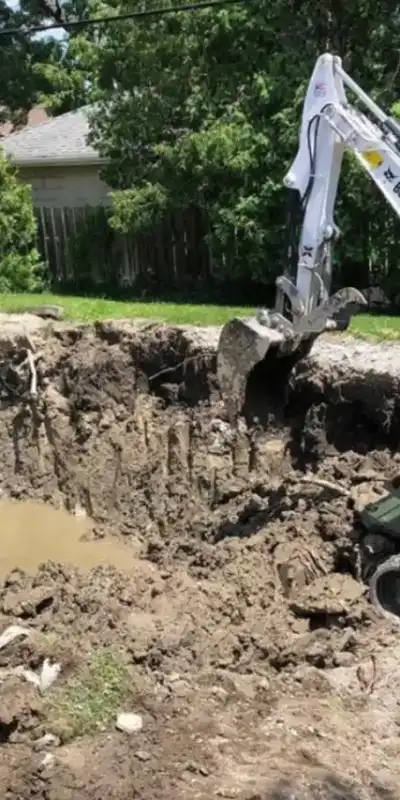
If the camera shows a break that has to be dug up, know Detroit’s rules before anyone digs:
- DWSD requires a sewer repair permit for every repair, even one entirely on your property.
- Alley or street work also needs a right-of-way permit from a bonded permit holder.
- A DWSD inspector must see the pipe before backfill, on 48 hours’ notice.
So a Detroit sewer repair needs more lead time than the same job in most suburbs. Plan on it.
Basement waterproofing for older Detroit houses
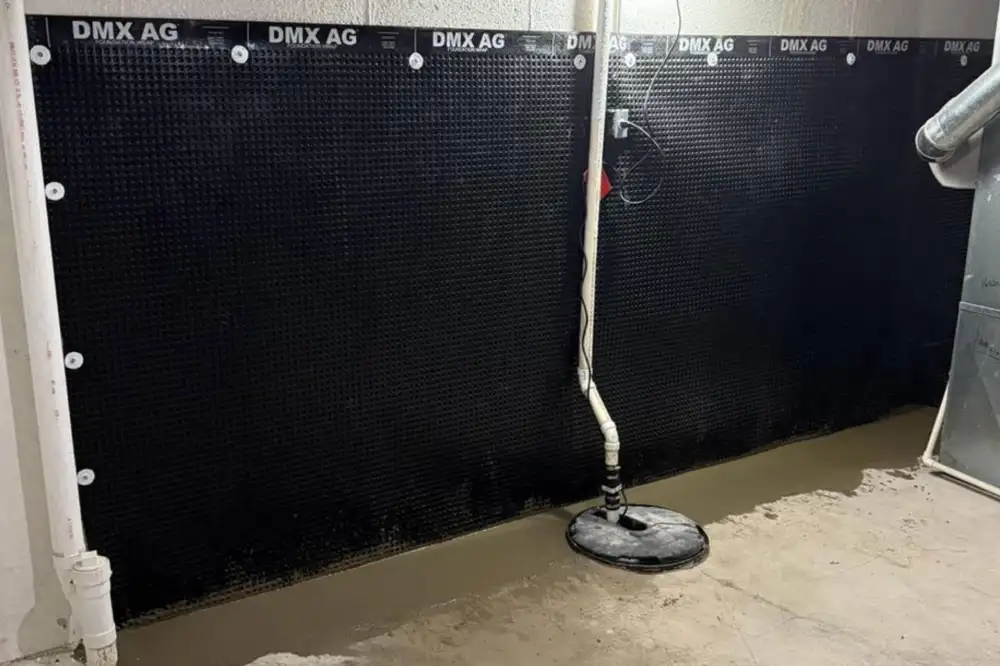
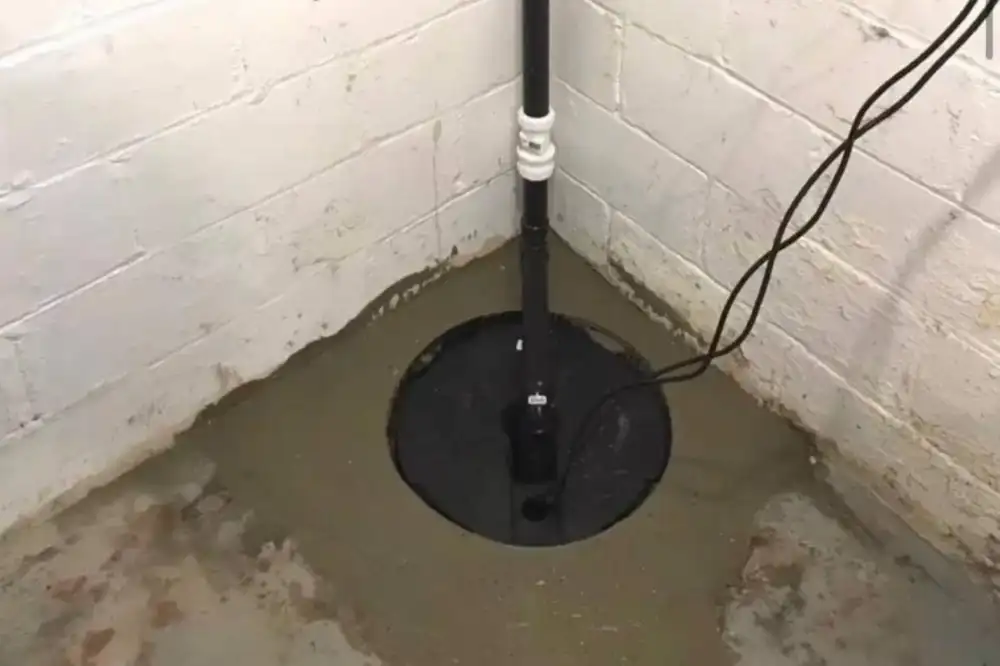
For water seeping through brick, block or stone, or up at the floor joint, coatings don’t last. We drain the wall instead, with interior drain tile along the footing, run to a sump pump with a battery or water-powered backup. Interior systems cost approximately $2,000 to $35,000, with wall length and any finished space doing most of the pricing. Exterior waterproofing, digging to the footing, costs approximately $3,000 to $60,000 and earns its keep for a finished room or one bad wall. Both carry the same 25-year transferable limited warranty on our workmanship; the sump pit and pump aren’t part of it. The cost guide breaks the numbers down, and financing is available through Enhancify.
If sewage has ever come up your floor drain, add a backwater valve; plenty of Detroit basements need the valve and the drain system both. After a backup, our flood restoration service handles water removal and drying.
Where we work in Detroit
We’re based in Shelby Township, and Detroit is the biggest city in our Wayne County service area. It borders towns we already work in, from Grosse Pointe Park on the east side to Ferndale, Warren and Southfield along 8 Mile. Most Detroit jobs are 40 to 50 minutes from Shelby Township, so we focus on the work worth that drive:
- Interior and exterior basement waterproofing, and sump pump systems
- Crack injection, and steel I-beam or carbon fiber repair for bowing walls
- Backwater valves, sewer camera inspections and main-line hydro-jetting
- Excavation and egress windows
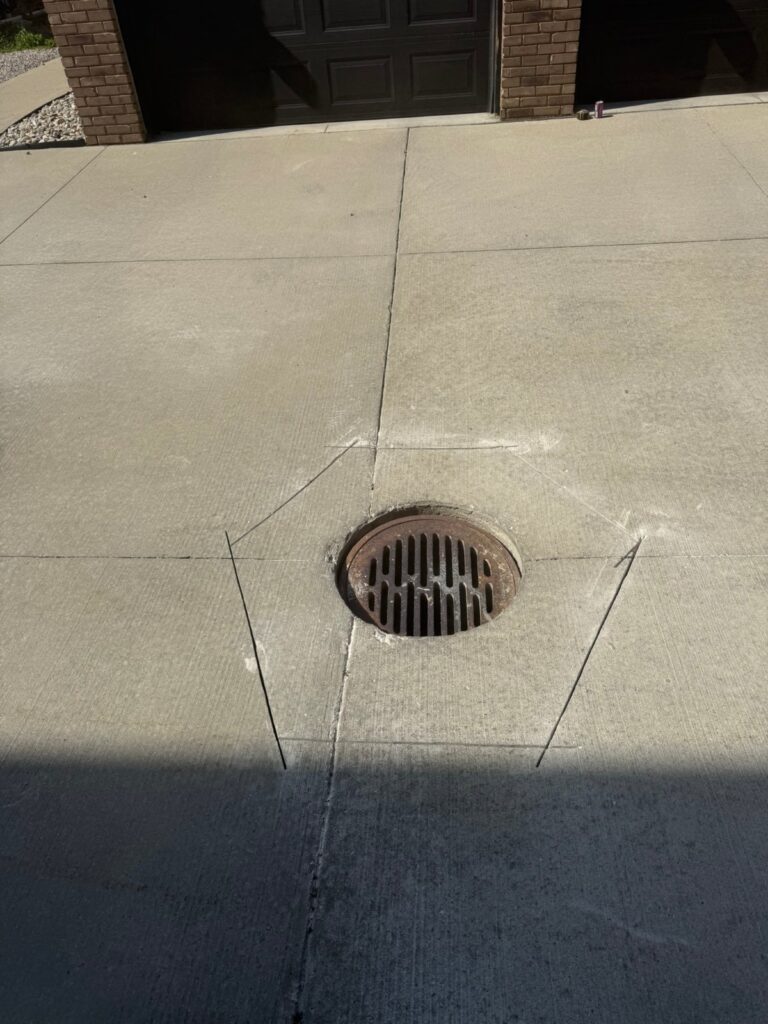
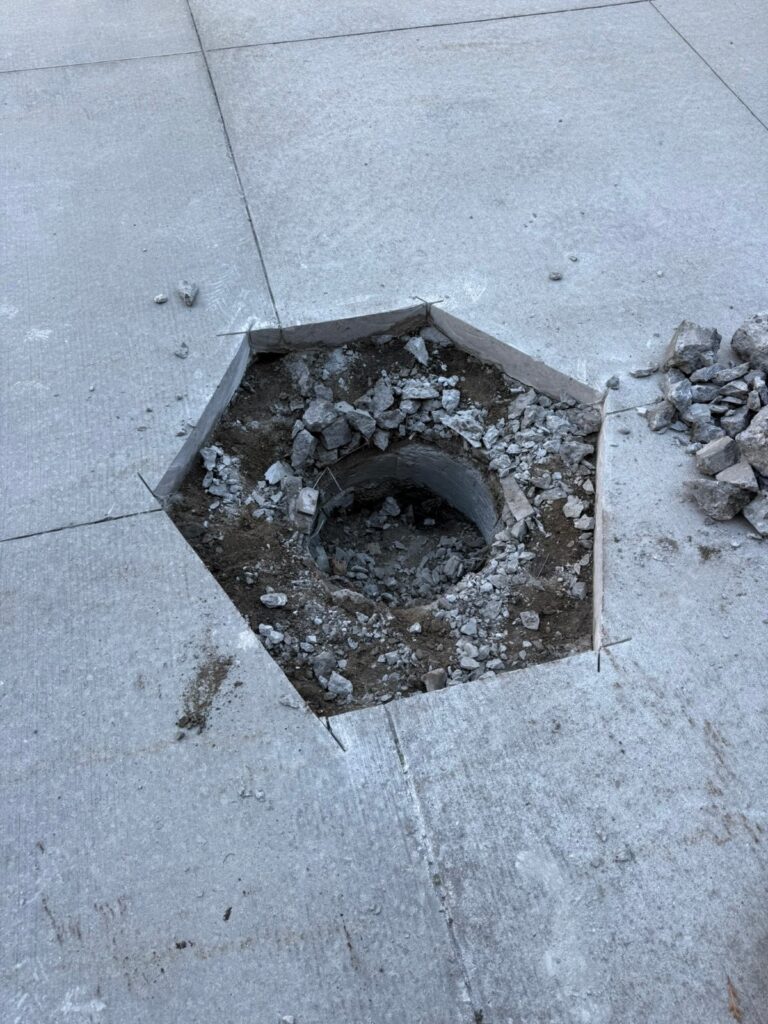
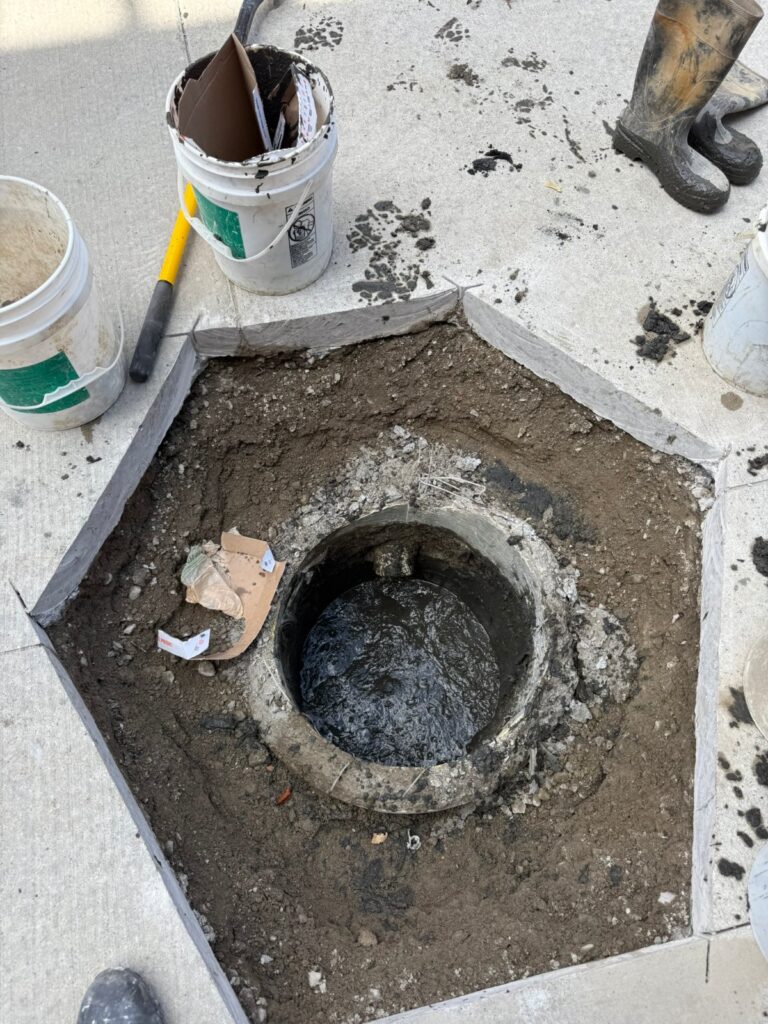
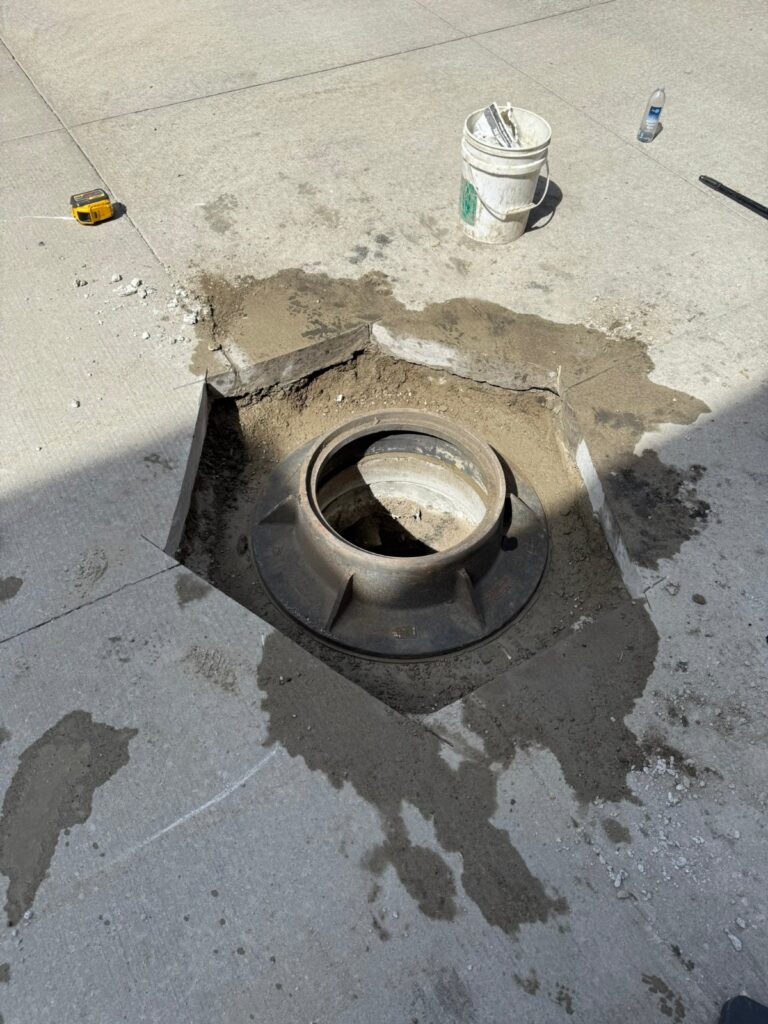
- Commercial drainage work, like the crumbled catch basin we rebuilt on a downtown Detroit campus
When a storm floods half the city, everyone calls at once. Call anyway: our emergency line is open 24/7, and we’ll tell you straight when we can get there.
Recent jobs in Detroit
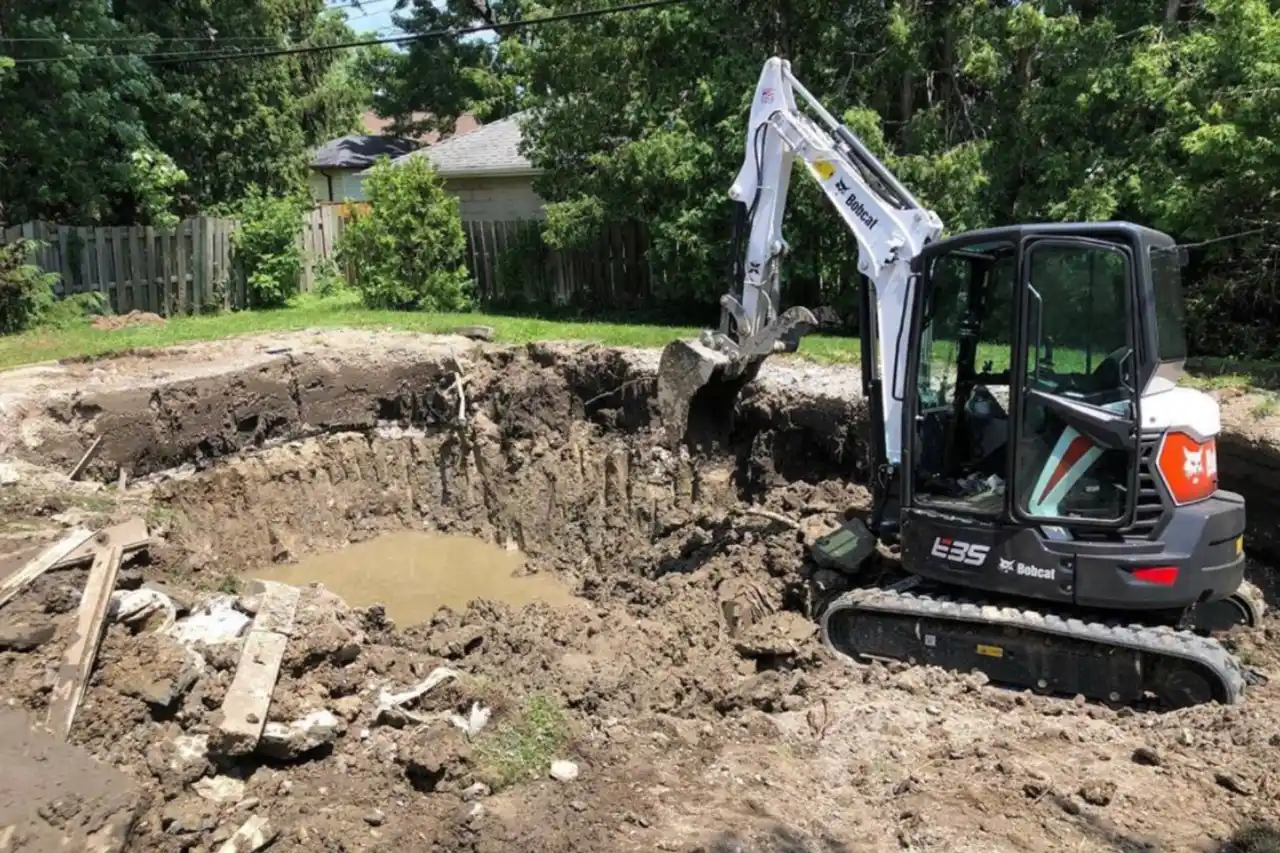
A few photos from our recent work in Detroit, in the order they were taken.
Catch basin repair
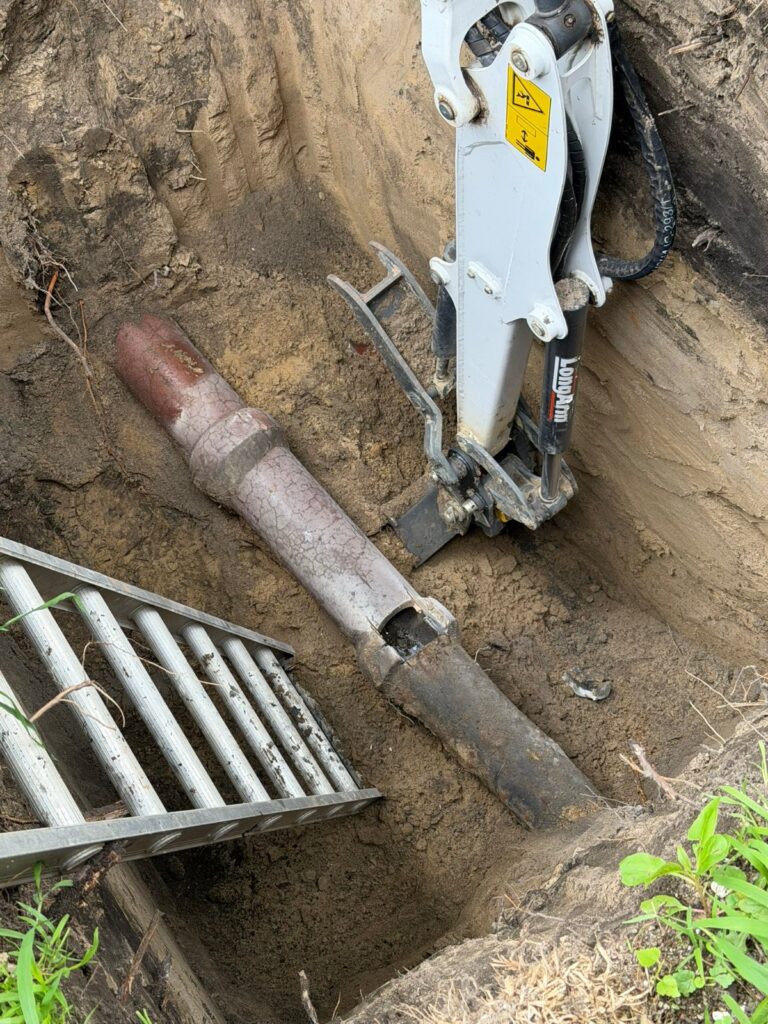
Sewer line repair
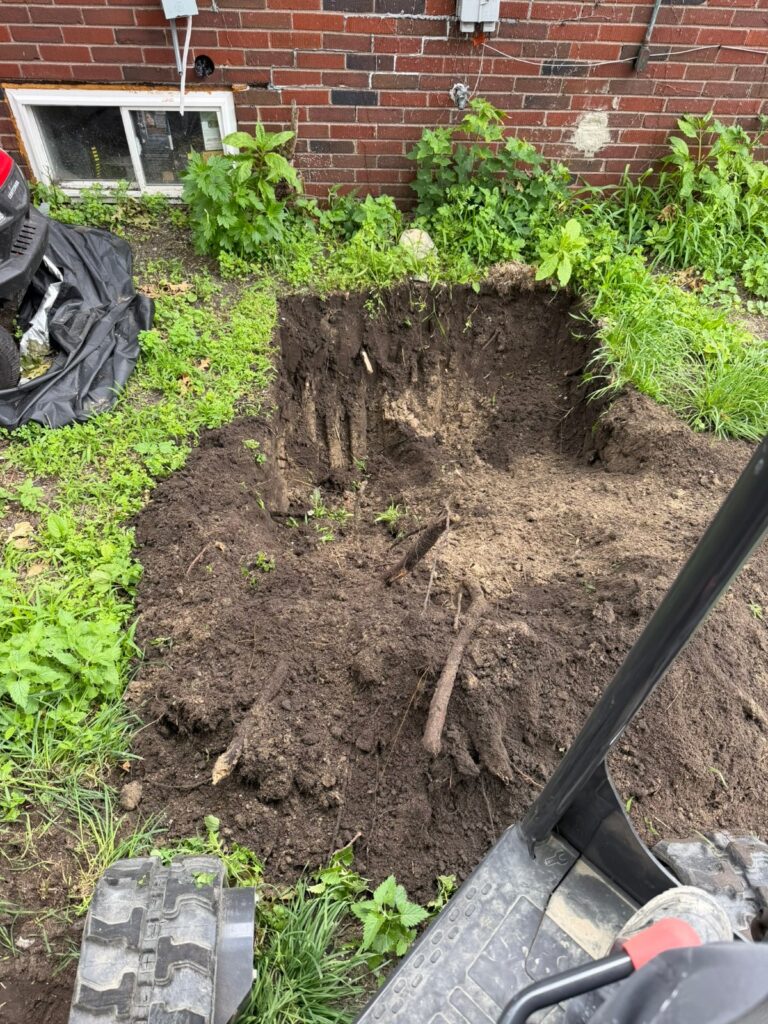
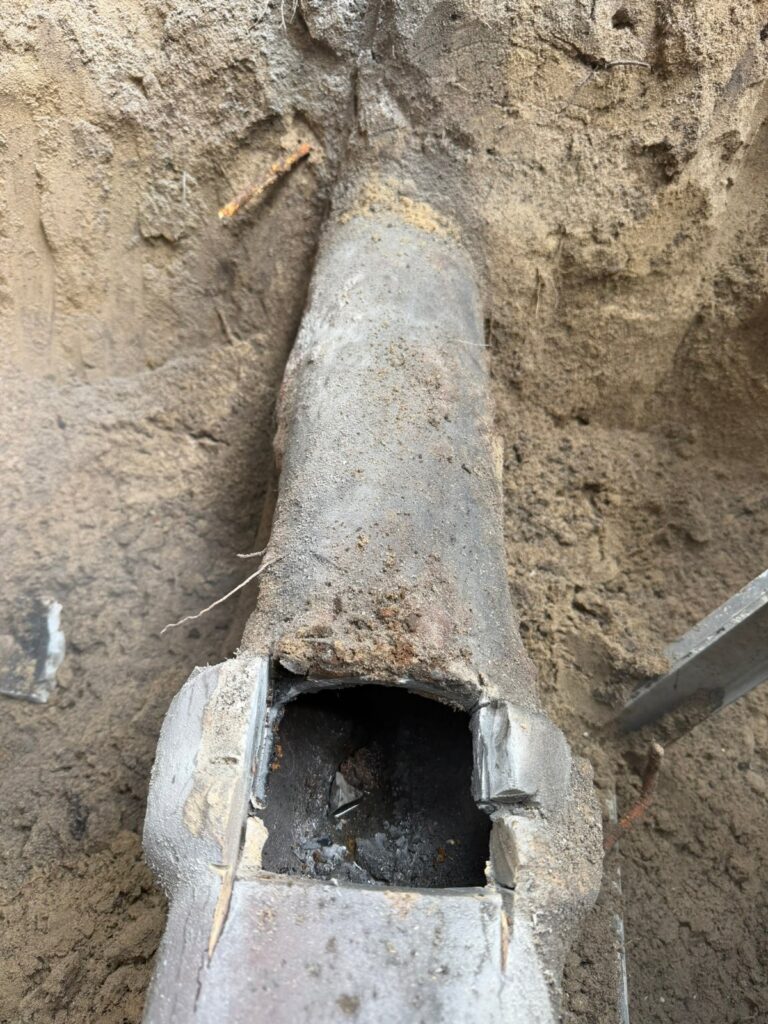
Wall crack repair