


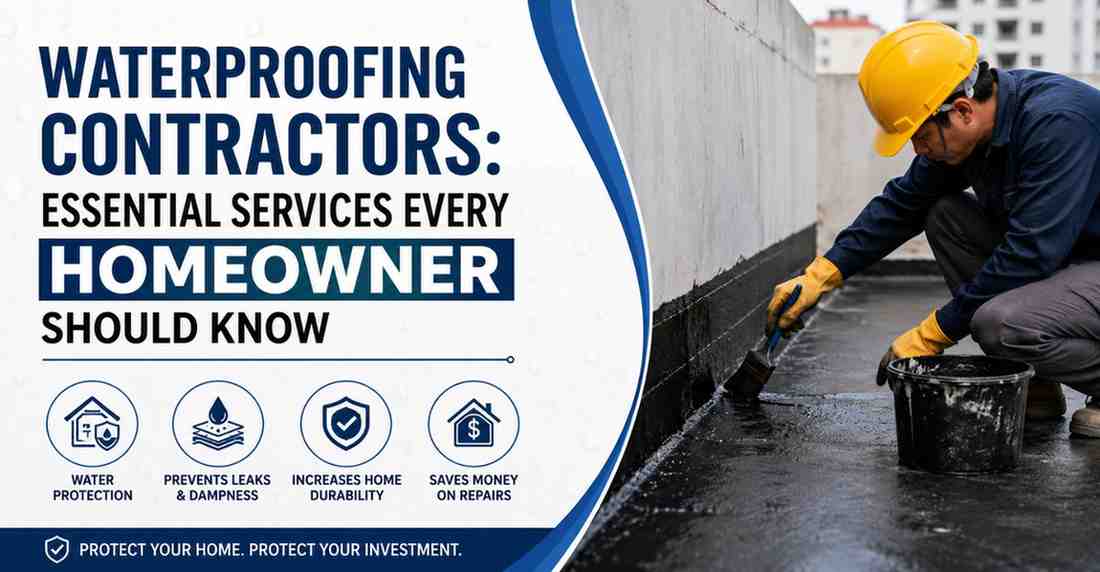
Water damage can quietly weaken a property long before visible signs appear. Moisture intrusion affects structural strength, indoor air quality, and overall property value when left untreated. Professional waterproofing services provide long-term protection by identifying vulnerable areas and applying suitable solutions that prevent costly repairs. Whether dealing with a damp basement, foundation cracks, or poor drainage, proper intervention safeguards the home from avoidable damage while creating a healthier living environment.
Why Does Waterproofing Matter for Every Home?
Every home faces constant exposure to moisture through rainfall, groundwater, humidity, and plumbing systems. Without effective waterproofing, water gradually penetrates walls, foundations, and floors, causing deterioration over time.
Moreover, moisture creates conditions that encourage mold growth, wood rot, and corrosion. Consequently, even minor leaks can develop into expensive structural problems if ignored.
Professional waterproofing strengthens the building envelope and reduces long-term maintenance costs while preserving comfort and safety.
The Hidden Risks of Water Intrusion
Many homeowners notice stains or damp smells but overlook the underlying issue.
Water infiltration can result in:
- Foundation movement
- Basement flooding
- Mold and mildew growth
- Damaged flooring
- Cracked concrete
- Peeling paint
- Electrical hazards
- Reduced insulation efficiency
Each of these problems affects both property value and everyday living conditions.
Key Services Offered by Waterproofing Contractors
Professional contractors provide specialized solutions based on the source and severity of water intrusion. Rather than applying temporary fixes, they target the root cause of moisture problems.
Foundation Waterproofing
The foundation supports the entire structure, making protection essential.
Contractors inspect cracks, hydrostatic pressure, and soil conditions before applying waterproof membranes, sealants, or drainage systems. Furthermore, exterior excavation may become necessary when water pressure remains consistently high.
A properly waterproofed foundation significantly extends the lifespan of a building.
Basement Waterproofing
Basements frequently experience moisture because they remain below ground level.
Effective basement waterproofing may include:
- Interior drainage channels
- Sump pump installation
- Crack injection systems
- Vapor barriers
- Waterproof coatings
- Exterior membrane protection
Consequently, homeowners gain usable living space while reducing flood risks.
Crawl Space Encapsulation
Many homes contain crawl spaces that trap humidity and standing water.
Contractors install vapor barriers, insulation, drainage systems, and sealed liners that minimize moisture movement. Moreover, encapsulation helps improve indoor air quality since crawl space air often circulates throughout the home.
The result is a cleaner, healthier environment.
Exterior Waterproofing Solutions
Exterior protection forms the first line of defense against water intrusion.
Professional assessment identifies grading issues, drainage failures, and vulnerable construction joints before recommending corrective measures.
Drainage Improvement
Improper drainage directs water toward the home instead of away from it.
Contractors may recommend:
- French drains
- Surface drains
- Downspout extensions
- Swales
- Regrading landscapes
- Channel drains
These systems redirect water safely while reducing hydrostatic pressure around the foundation.
Foundation Membrane Installation
Exterior waterproof membranes create a protective barrier between soil moisture and foundation walls.
High-quality membranes remain flexible despite seasonal movement and temperature changes. Therefore, they provide durable protection against groundwater penetration.
Interior Waterproofing Techniques
Interior systems control water after it enters the structure while minimizing damage.
Although exterior waterproofing remains preferable, interior methods offer effective protection when excavation becomes impractical.
Sealants and Waterproof Coatings
Professional-grade sealants close small pores and hairline cracks.
Moreover, waterproof coatings create moisture-resistant surfaces on concrete walls and floors, helping reduce dampness and condensation.
These solutions work best when combined with proper drainage improvements.
Sump Pump Systems
Sump pumps remove accumulated groundwater before flooding occurs.
Modern systems often include:
- Battery backup units
- High-capacity pumps
- Water alarms
- Automatic activation
- Secondary backup pumps
Consequently, homeowners receive protection even during severe storms or power interruptions.
Signs That Indicate Waterproofing Is Needed
Early detection prevents expensive structural repairs.
Several warning signs indicate moisture problems requiring professional attention.
Visible Indicators
Common warning signs include:
- Water stains
- Damp walls
- Efflorescence
- Cracked foundations
- Mold growth
- Peeling paint
- Musty odors
- Standing water
Ignoring these symptoms often leads to larger structural concerns.
Less Obvious Symptoms
Not every moisture issue appears immediately.
Higher energy bills, warped flooring, insect infestations, and persistent indoor humidity often point toward hidden water intrusion.
Therefore, routine inspections provide valuable preventive protection.
Benefits of Hiring Professional Waterproofing Contractors
Professional services provide more than temporary leak repairs.
Experienced contractors combine engineering principles, moisture analysis, and specialized materials to create lasting protection.
Long-Term Structural Protection
Water slowly weakens concrete, wood, and steel components.
Professional waterproofing reduces deterioration while protecting load-bearing elements from premature failure.
Consequently, homeowners avoid major reconstruction expenses.
Healthier Indoor Air Quality
Excess moisture encourages mold spores and airborne contaminants.
Removing moisture sources limits biological growth and creates healthier indoor conditions for occupants.
Moreover, improved air quality contributes to greater comfort throughout the home.
Increased Property Value
Prospective buyers often avoid homes with moisture problems.
A documented waterproofing system demonstrates responsible maintenance and increases market confidence.
As a result, waterproofed homes frequently command stronger resale value.
How Contractors Assess Moisture Problems
Professional inspections involve far more than identifying visible leaks.
Specialists examine structural conditions, drainage patterns, soil composition, grading, ventilation, and historical water movement before recommending solutions.
They may evaluate:
- Foundation cracks
- Basement humidity
- Roof drainage
- Exterior grading
- Window wells
- Retaining walls
- Plumbing leaks
- Surface runoff
This systematic approach produces customized recommendations instead of generic repairs.
Choosing the Right Waterproofing Solution
Every property presents unique challenges.
Homes with expansive clay soil require different protection from those exposed to high groundwater levels. Similarly, older homes often benefit from combined interior and exterior systems rather than isolated repairs.
Because conditions vary significantly, professional evaluations produce more effective and economical solutions.
Many homeowners researching waterproofing contractors in Michigan compare inspection methods, drainage expertise, and repair strategies before selecting a contractor capable of addressing local moisture conditions effectively.
Preventive Maintenance Tips
Waterproofing performs best when combined with regular maintenance.
Homeowners should inspect vulnerable areas throughout the year and correct minor issues promptly.
Helpful maintenance practices include:
- Clean gutters regularly
- Extend downspouts away from foundations
- Maintain proper grading
- Seal exterior cracks
- Test sump pumps
- Remove standing water
- Inspect basement walls
- Monitor humidity levels
Preventive care supports long-lasting waterproofing performance.
Common Waterproofing Myths
Several misconceptions prevent homeowners from addressing moisture issues effectively.
Myth One: Paint Solves Water Problems
Waterproof paint provides only limited surface resistance.
Without drainage correction or structural repair, moisture pressure eventually overcomes painted surfaces.
Myth Two: New Homes Do Not Need Waterproofing
Construction age does not eliminate moisture risk.
Poor drainage, settlement, and changing soil conditions can affect both new and older structures.
Myth Three: Small Cracks Are Harmless
Tiny cracks often expand through seasonal movement.
Therefore, early repairs reduce the likelihood of extensive structural damage later.
The Financial Value of Waterproofing
Preventive waterproofing generally costs less than repairing structural deterioration.
Water damage often affects flooring, drywall, insulation, electrical systems, furniture, and personal belongings simultaneously.
Moreover, insurance policies may limit coverage for gradual moisture damage.
Investing in waterproofing protects both the property and future repair budgets while reducing unexpected maintenance expenses.
FAQs
1. What does a waterproofing contractor do?
A waterproofing contractor identifies moisture problems, evaluates structural risks, and installs systems that prevent water intrusion. Services may include drainage improvements, foundation protection, crack repair, basement waterproofing, vapor barriers, and sump pump installation to protect homes from long-term damage.
2. How can homeowners identify early moisture problems?
Early warning signs include damp walls, musty odors, peeling paint, mold growth, water stains, and foundation cracks. Increased indoor humidity and warped flooring may also indicate hidden moisture that requires professional inspection before larger problems develop.
3. Is basement waterproofing worth the investment?
Basement waterproofing protects structural integrity, reduces mold risks, prevents flooding, and creates more usable living space. It also helps preserve property value while minimizing expensive repairs caused by recurring moisture intrusion over time.
4. What is the difference between interior and exterior waterproofing?
Exterior waterproofing blocks water before it reaches the foundation, while interior systems manage water after entry by directing it safely away. Many properties benefit from combining both approaches for maximum long-term protection.
5. How long does waterproofing typically last?
The lifespan depends on materials, installation quality, drainage conditions, and maintenance practices. Professionally installed systems often provide many years of effective protection when homeowners perform routine inspections and address minor issues promptly.
6. Can waterproofing stop mold growth?
Waterproofing reduces the moisture conditions that mold requires for growth. Although existing mold requires separate remediation, controlling water intrusion significantly lowers the risk of future mold development throughout the property.
7. Are foundation cracks always serious?
Not every crack indicates structural failure, yet every crack deserves professional evaluation. Small openings may expand over time and allow water infiltration that weakens foundations if left untreated.
8. Does landscaping affect waterproofing performance?
Yes. Improper grading, poor drainage, and excessive irrigation can direct water toward foundations. Proper landscaping design supports waterproofing systems by encouraging water to flow safely away from the structure.
9. Should waterproofing be performed before finishing a basement?
Completing waterproofing first prevents moisture damage to drywall, flooring, insulation, and furnishings. Addressing water intrusion before remodeling reduces future repair costs and protects the investment in finished living space.
10. How often should waterproofing systems be inspected?
Annual inspections help identify drainage issues, foundation movement, equipment failures, and developing moisture problems before significant damage occurs. Additional inspections after severe storms provide extra protection for vulnerable properties.