Basement and Plumbing Advice for Michigan Homeowners
Michigan basements deal with clay soil, freeze-thaw cycles, heavy rain and high groundwater. These guides explain what causes wet basements, foundation cracks, drainage problems and sewer backups, what you can check yourself, and when it’s time to call a pro. When a guide isn’t enough, our Shelby Township crew offers free estimates.
Inside or outside? How to tell which basement waterproofing fix fits your leak in Metro Detroit: crack injection, interior drain tile or exterior waterproofing, with costs.
Michigan still doesn't know what 315,372 water service lines are made of. How to check your pipe with a magnet, who pays if it's lead, and signs it's failing.
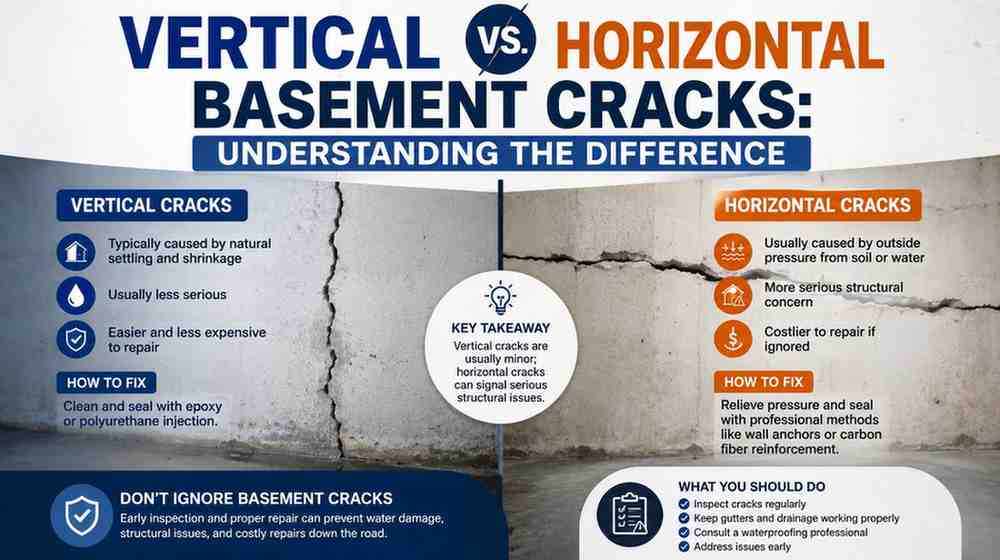
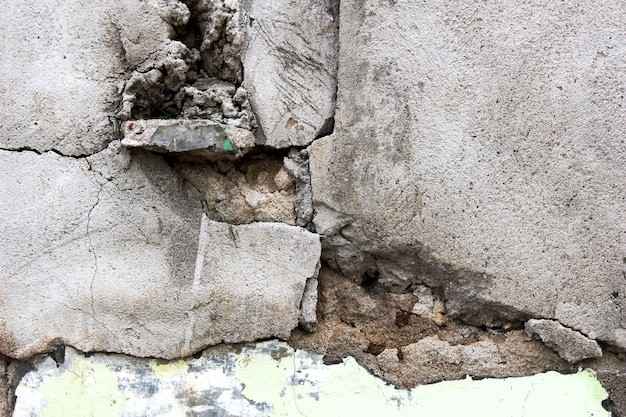
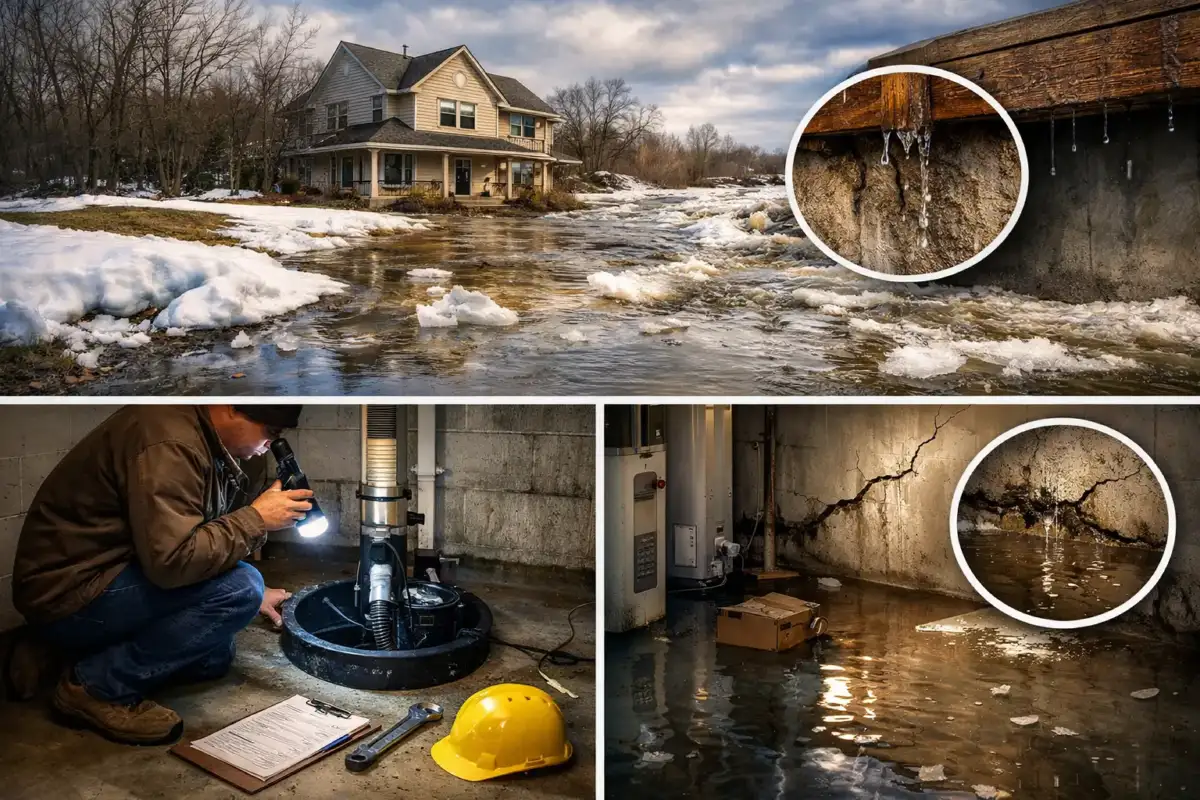
Detroit swung from -10°F to 65°F in four weeks last winter. How freeze-thaw and clay soil crack Michigan basement walls, which cracks to watch, and which to fix.
Detroit says 1 in 3 private sewer lines is clogged, offset or broken. Which pipes Metro Detroit suburbs have, the warning signs, and when to get a camera inspection.
Michigan homes lost power 2.5 times longer than the U.S. average in 2025. What happens to your sump pump in an outage, and which backup fits your home.
Fewer than 1 in 200 Metro Detroit homes has flood insurance. What Michigan homeowners insurance does and doesn't cover for a flooded basement, and how to protect a claim.
A horizontal crack across a block wall, or a wall that bellies inward, is clay and frost pushing from outside. How to measure how bad it is, and which repair fits: carbon fiber, steel braces or exterior excavation.
Waterproofing paint works on one kind of basement problem and fails on the other three. A straight answer on when Drylok helps, why it peels, and what fixes the leaks it cannot.
If your yard holds water for days after every rain, the clay under it is the reason. Here is which fix works for which yard: regrading, downspout drains, French drains, catch basins and dry wells.
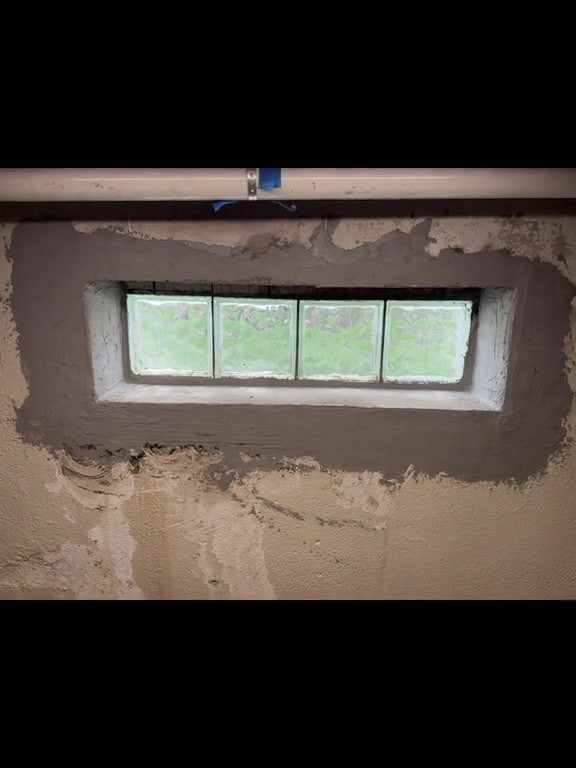
A basement window that leaks every rain is almost never the glass. It is the window well filling up, a cracked concrete sill, or failed mortar around glass block. Here is how to tell which and what fixes it.
A Michigan basement is the low, damp, stone-walled cellar under thousands of older homes and farmhouses. Here is where the name comes from, why they are always wet, and what can actually be done about one.
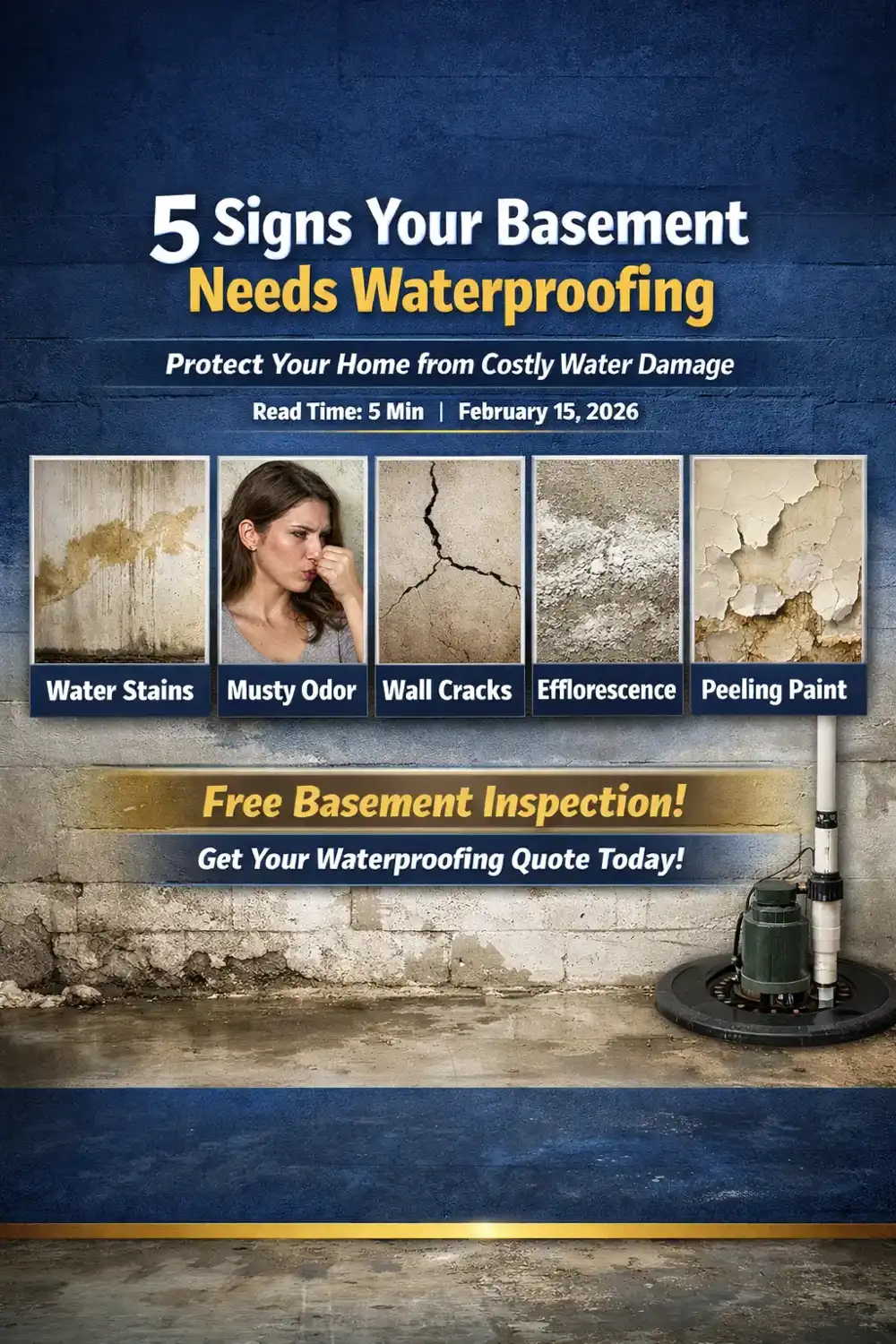
That white, chalky coating on the basement wall is not mold and it is not paint failing. It is salt left behind by water moving through the concrete, and it is telling you where the water comes in.
The storm that fills your sump pit is the same storm that knocks out your power. Battery vs. water-powered backups, how long they really run, what they cost, and who can skip one.
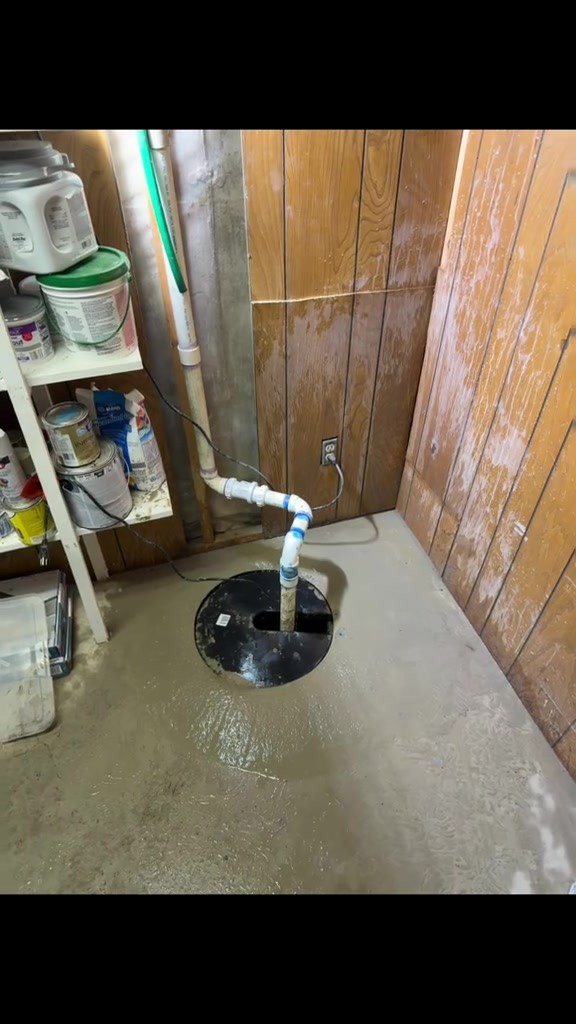
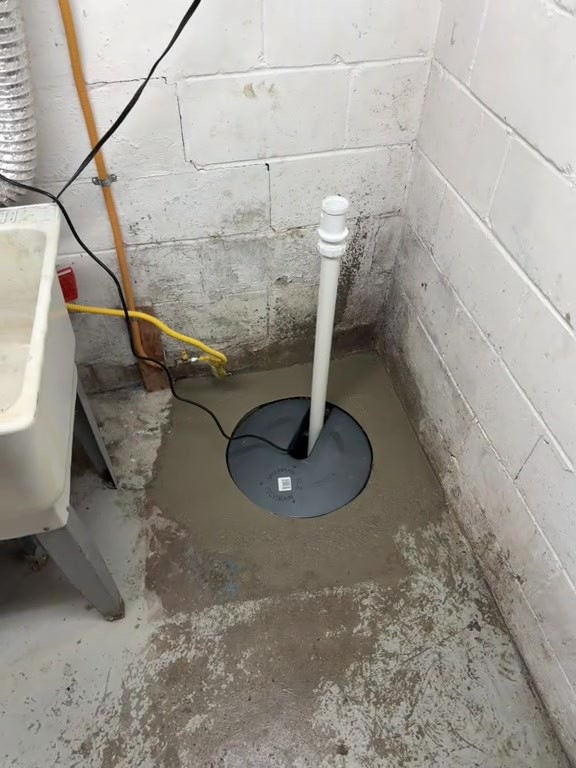
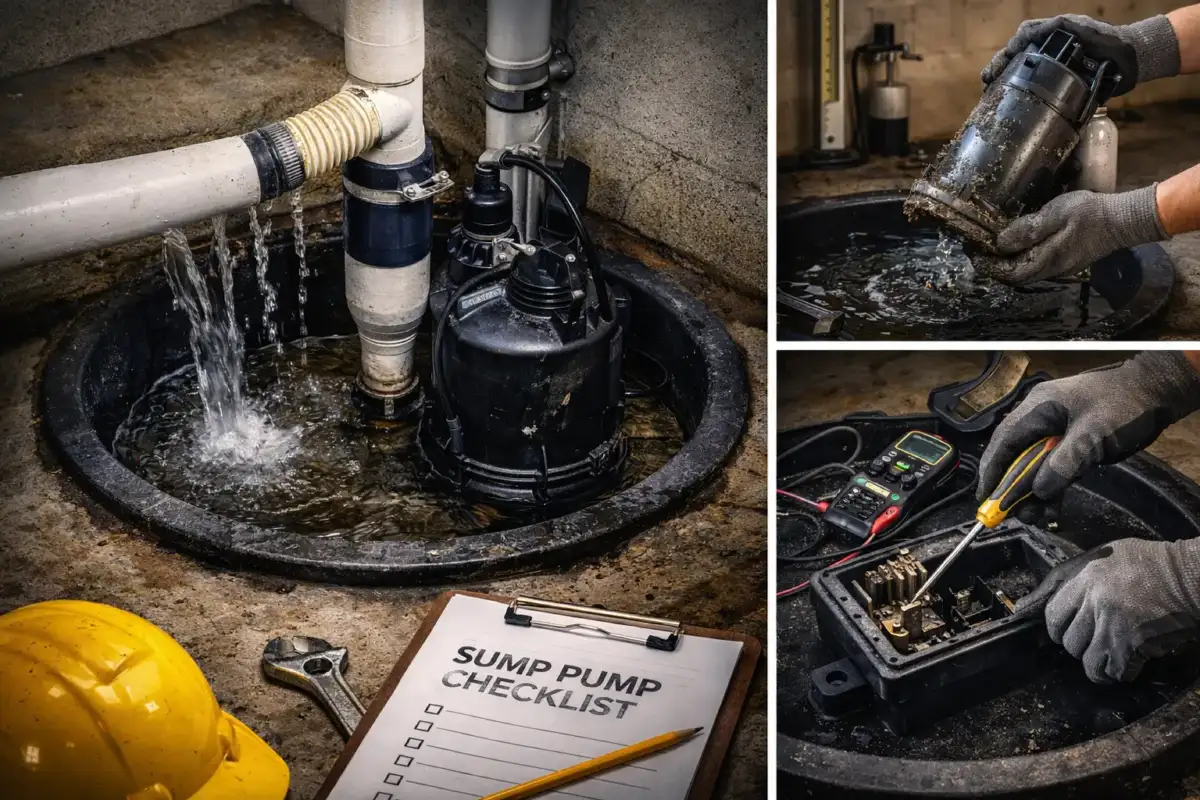
Pump keeps running, won't run at all, or the alarm won't stop: the causes in the order we check them, the fixes you can do yourself, and the ones that mean the system is undersized.
Sewage up through the floor drain is the worst kind of basement flood. What to do in the first hour, Michigan's 45-day notice rule, what insurance covers, and the one install that stops it.
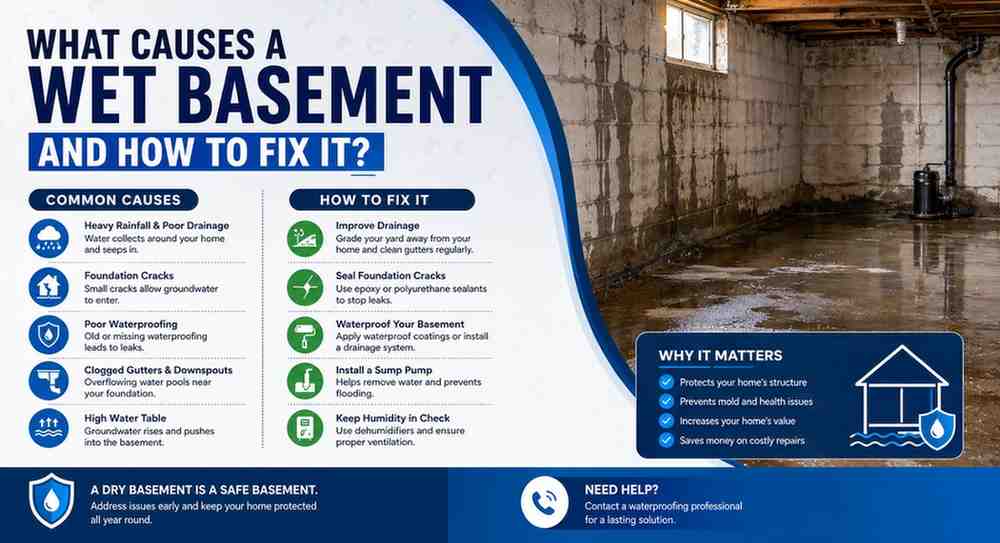
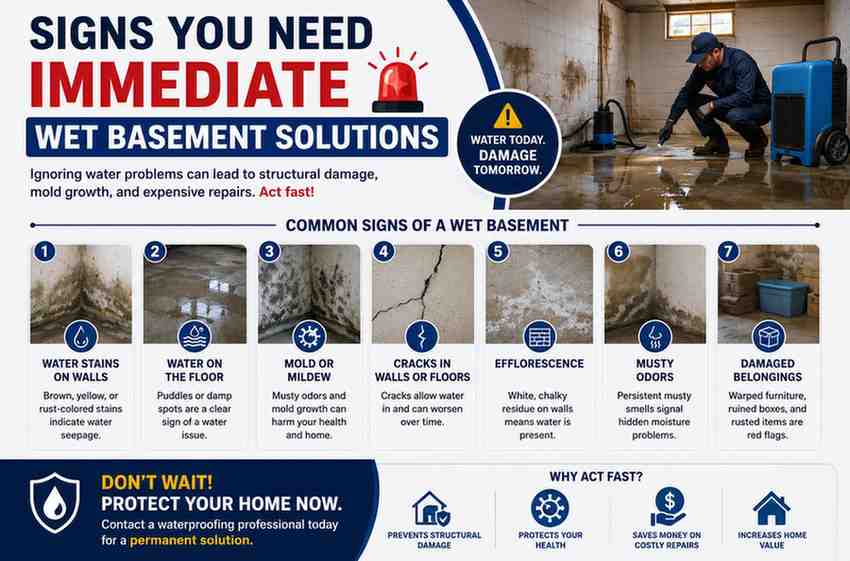
Standing water in the basement after a storm: the order to do things in, what to photograph before you touch anything, who to call, and how to make sure it is the last time.
Water seeping up through the basement floor or the cove joint is hydrostatic pressure, not a bad slab. Why Michigan clay makes it worse, what doesn't fix it, and what does.
That musty basement smell is moisture you haven't found yet. The six usual causes in Southeast Michigan homes, what a dehumidifier can and can't fix, and what actually gets rid of it.
Standard Michigan homeowners policies treat waterproofing as maintenance. What is covered (sudden pipe failures), what needs a rider (sewer and sump backup) and what to do before you file a claim.
Some dampness after rain is normal on Michigan clay. How to tell humid from seeping from leaking, what to check yourself, and when it's the drain tile.
A step-by-step checklist for interior foundation waterproofing, from inspection and crack sealing to interior drainage, sump pump checks and maintenance.
What affects basement crack repair costs, the common repair methods, how the repair process works and why fixing cracks early protects your foundation.
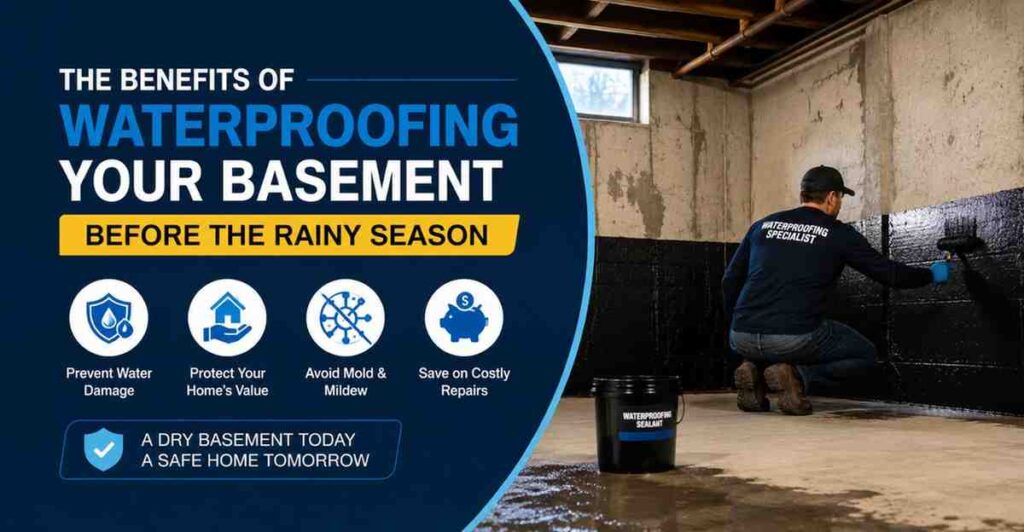
The benefits of waterproofing a basement before the rainy season, from protecting the structure and limiting mold to sump pumps, vapor barriers and prep tips.
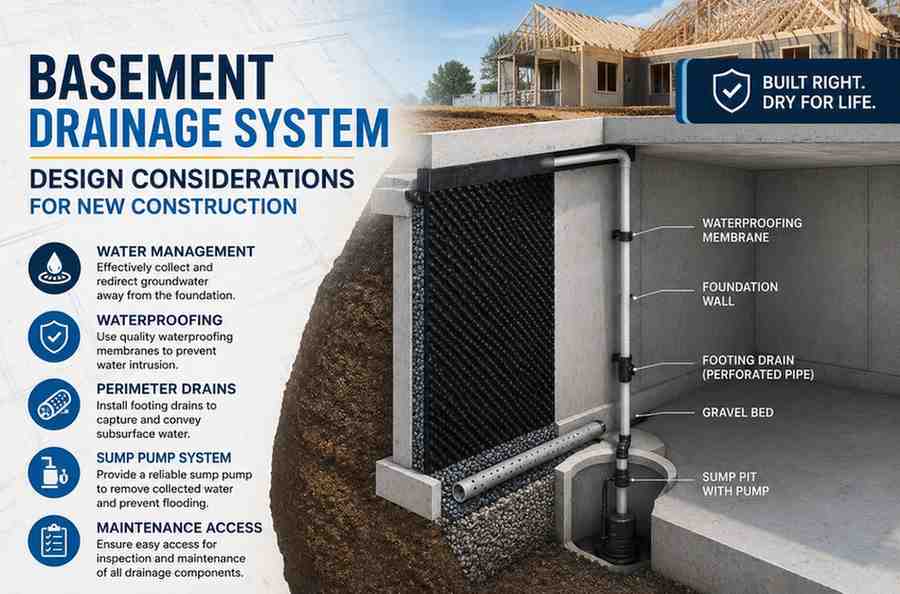
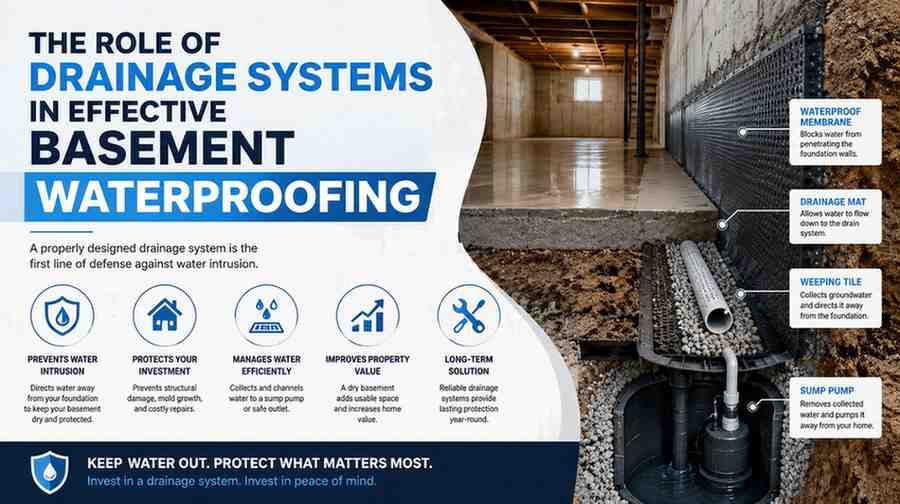
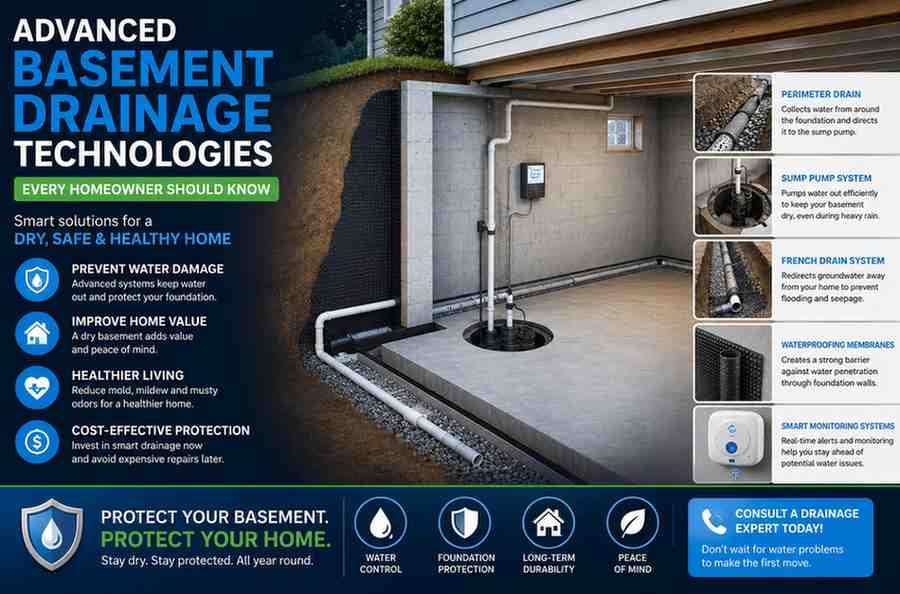
A look at modern basement drainage technology, including smart perimeter drains, drainage boards, battery backup pumps, water sensors and remote monitoring.
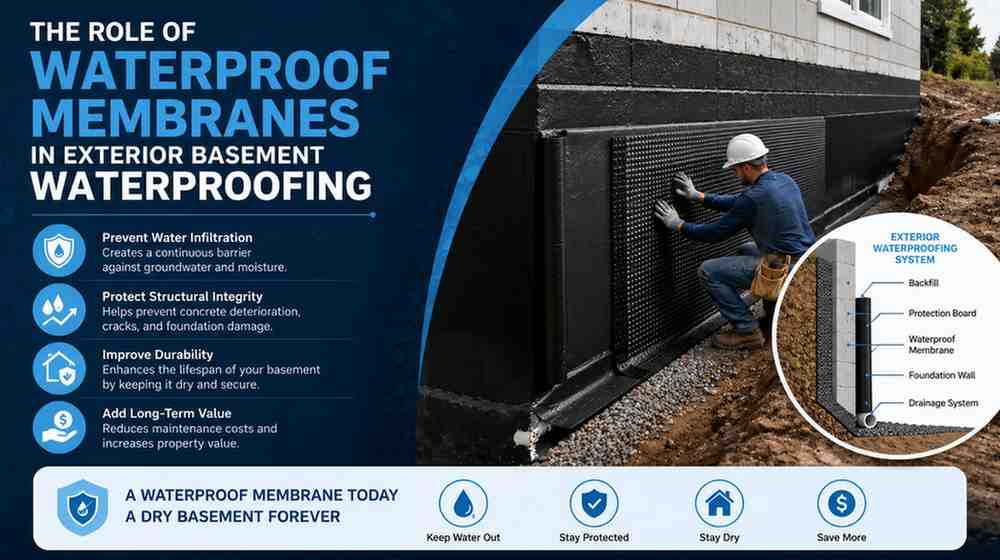
How foundation waterproofing helps prevent mold and moisture, from exterior and interior systems to drainage, ventilation and finished basement protection.
Why waterproofing belongs in the plans for new construction, from foundation and groundwater protection to material life, code compliance and lower upkeep.
Why hiring a licensed waterproofing contractor matters, from code compliance and accurate diagnosis to quality materials, safety and long-term results.
Signs it is time to call a waterproofing contractor, including lingering musty odors, water stains, widening cracks, pooling water and recurring floods.
What residential excavation involves in Southeast Michigan, from working with heavy clay soil and local permits to utility trenching and site restoration.
What happens when a leaking basement is ignored in Southeast Michigan, from hydrostatic pressure and freeze-thaw damage to mold, wood rot and electrical hazards.
What basement waterproofing costs in Southeast Michigan, how local clay soil affects quotes, and how interior, exterior, sump pump and crack repair prices compare.